3 hr
Munich Old Town Food Tour with 10+ Tastings
- Multi-attraction access
- Mobile voucher
- Flexible dates
- Free cancellation
Old Town Food Tour Munich — Curated Culinary Walks
Bavarian tastings through cobbled squares, vendor encounters at every corner
Compare fares, pick the fit — all bookings are mobile-voucher and eligible for free cancellation where shown.
3 hr
2 hr 30 min
2 hr
Choosing the right old town food tour munich experience comes down to how much time you have and whether beer tastings matter to you. Most operators offer a classic Old Town walk and a longer Viktualienmarkt-focused option, so matching duration and neighborhood focus to your appetite is the key decision.
| Classic Old Town Walk Standard route, no beer stop |
Top pick Extended Old Town & Viktualienmarkt Tour Longer route with beer tasting |
|
|---|---|---|
| Duration | 2.5 hours | 3.5 hours |
| Number of tastings | 4–5 stops | 6–7 stops |
| Beer included | — | |
| Dessert included | ||
| Neighborhood focus | Old Town core | Old Town plus Viktualienmarkt |
| Group size feel | Small group, 8–12 people | Small group, 8–12 people |
| Best for | First-timers short on time | First-timers wanting the fuller munich landmarks food experience |
| See tickets & prices |
Worth it for curated access and context
An old town food tour munich delivers concentrated value if you want expert-led introductions to Bavarian specialties without research legwork. Guided options like the Munich Old Town Food Tour with 10+ Tastings or the Viktualienmarkt Culinary Walking Experience bundle multiple vendors, historical context, and portions you wouldn't confidently order solo—think Leberkäse, Obatzda, and regional cheeses with origin stories. Tours typically run €70–90 for 3–4 hours, covering tastings that would cost €40–50 independently but require vendor hunting and menu decoding. The premium pays for curated stops, skip-the-guesswork coordination, and a local guide who explains why Munich's food culture centers on beer gardens and market halls. Self-guided exploring at Viktualienmarkt costs nothing beyond what you buy, but you miss the narrative thread connecting pretzels to monastic brewing or why Weisswurst has morning-only traditions. Old town food tour munich tours work best for first-timers prioritizing efficiency over spontaneity, while repeat visitors often prefer DIY grazing with targeted vendor picks.
Bottom line: Pay the premium if you value guided discovery over independent exploration—the context and vendor access justify the cost for most first visits.
Most first-time visitors choosing between an old town food tour munich experience and a Munich beer tour pick the food walk for variety, since it covers Viktualienmarkt stalls, bakeries, and Bavarian specialties rather than just beer halls.
|
Top pick Old Town Food Tour |
Munich Beer & Brewery Tour | |
|---|---|---|
| Main focus | Local dishes, markets, bakeries | Beer halls, breweries, tastings |
| Starting point | Marienplatz, Old Town | Marienplatz or Hofbräuhaus area |
| Typical duration | 2.5–3.5 hours | 2.5–3 hours |
| Walking intensity | Moderate, frequent stops | Moderate, fewer stops |
| Best arrival window | 09:00–17:00 | Late afternoon/evening |
| Who it suits | Food lovers, families, all ages | Adults, beer culture fans |
| Alcohol involved | Minimal, tasting-dependent | Central to the experience |
| Booking flexibility | Daily, small groups | Daily, often evening slots only |
| Entrance fee | Free entry (tour category) | Tour fee, venue drinks extra |
| Seasonal appeal | Year-round, market-dependent | Year-round, best in beer garden season |
| See tickets & prices |
Verdict: Choose the food tour for a broader taste of Munich's culinary identity and market culture, and the beer tour if Bavarian brewing history and tasting are the priority.
Hand-picked experiences loved by thousands of travelers
3 hours
Free Cancellation
A 3-hour culinary adventure through Munich's authentic eateries with traditional dishes and local drinks
3 hours 30 minutes
Free Cancellation
Taste your way through Bavaria's culinary heart with Weißwurst, Leberkäse, artisan cheeses, and an imperial-era sweet.
3 hours
Free Cancellation
Discover Bavarian culinary traditions while exploring historic landmarks on this guided tasting experience
2.5 hours
Free Cancellation
Discover Munich's Old Town in an intimate group while tasting authentic Weißwurst and local brews
3 hours
Free Cancellation
Savor local specialties while exploring Munich's charming Haidhausen district on this guided tasting walk
3.5 hours
Free Cancellation
Explore Munich's historic market with 20+ tastings of Bavarian street food and local delicacies
3 hours
Free Cancellation
Discover authentic Bavarian beer gardens away from tourist crowds with a costumed guide
3 hours
Free Cancellation
Savor Munich's iconic neighborhood through a curated tasting journey blending local bites with district stories
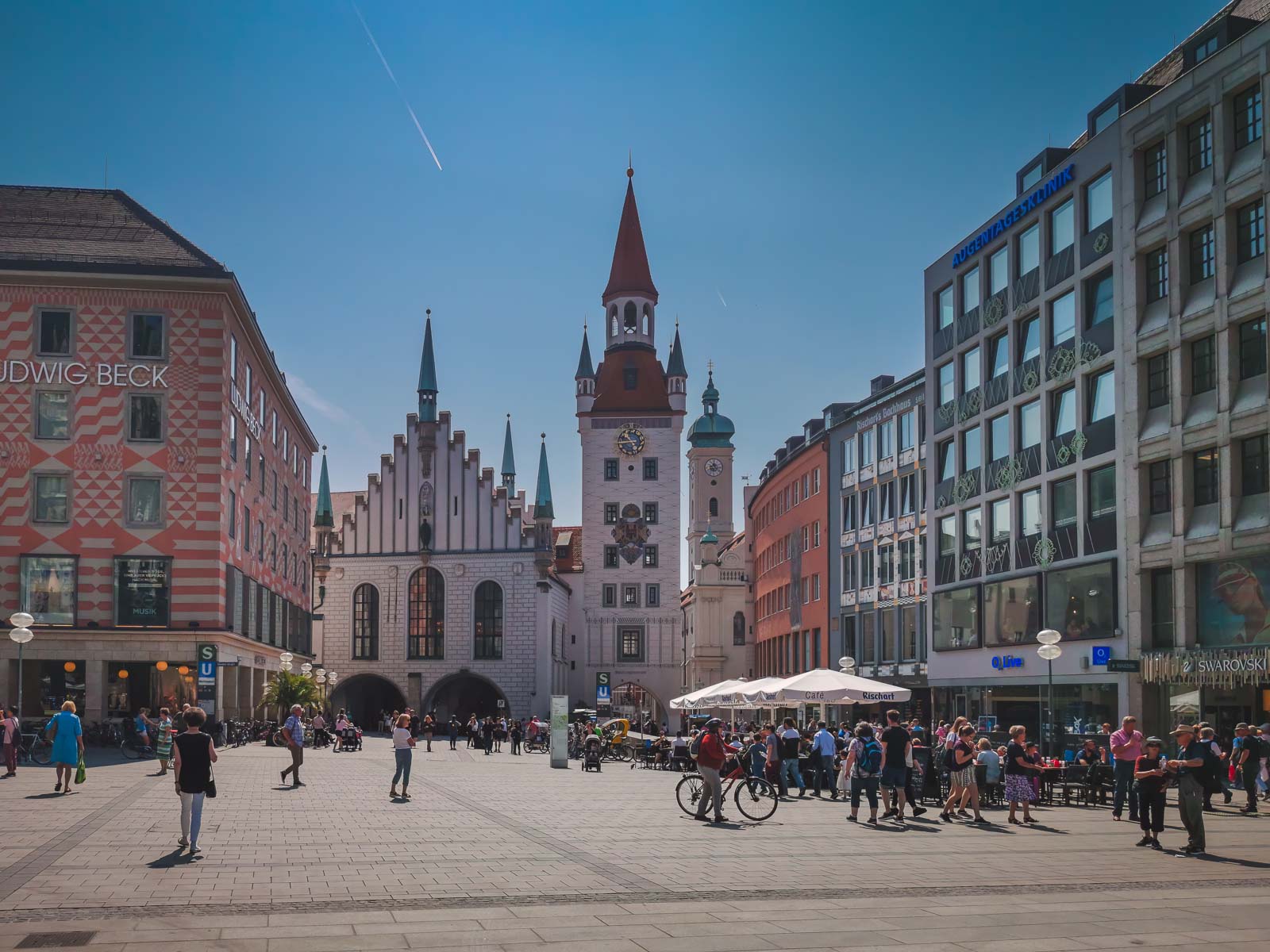
Meet at Marienplatz for an overview of the old town food tour munich history.
Visit the stalls to sample regional delicacies.
Stop at historic shops for local treats.
Final wrap-up near a historic landmark.
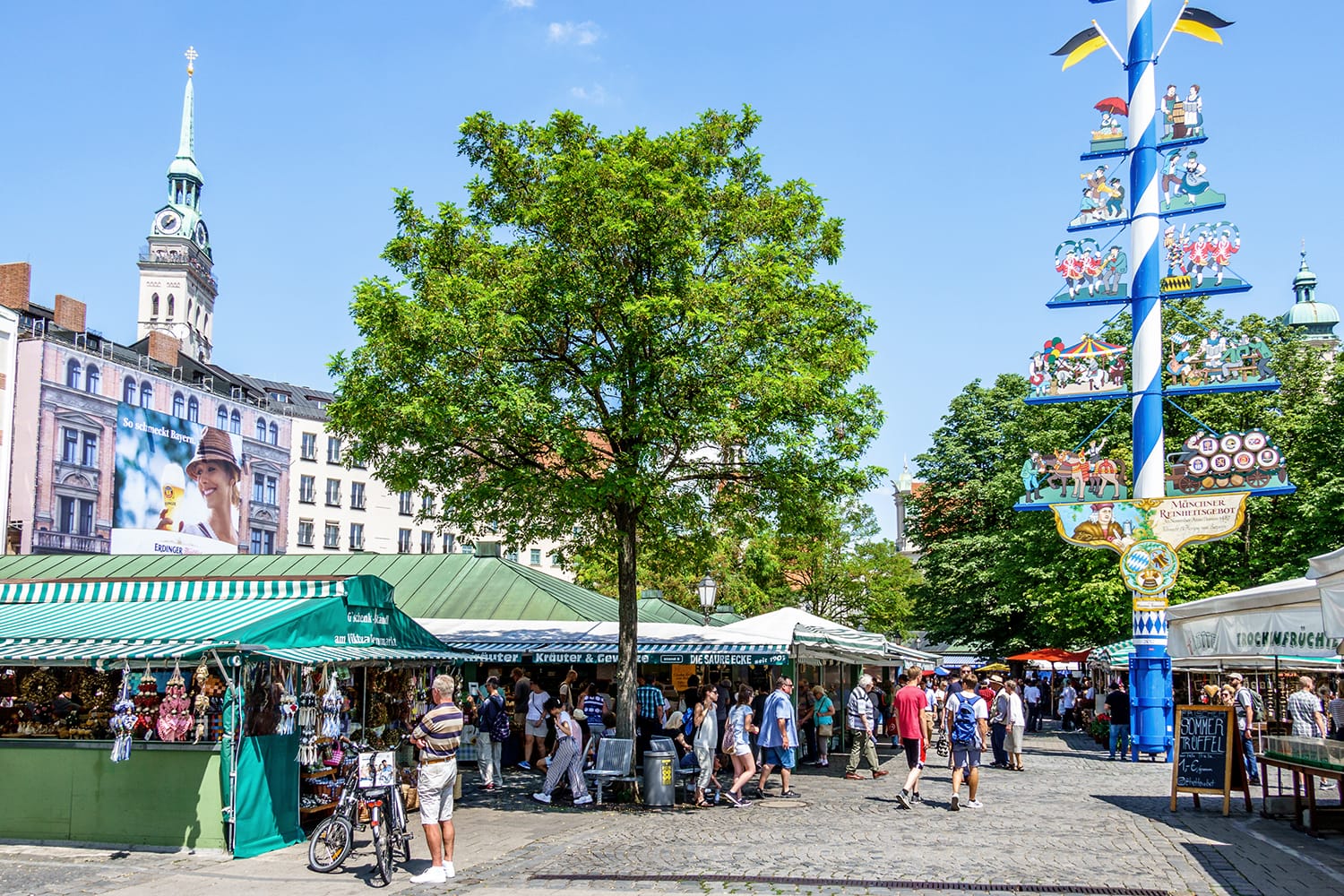
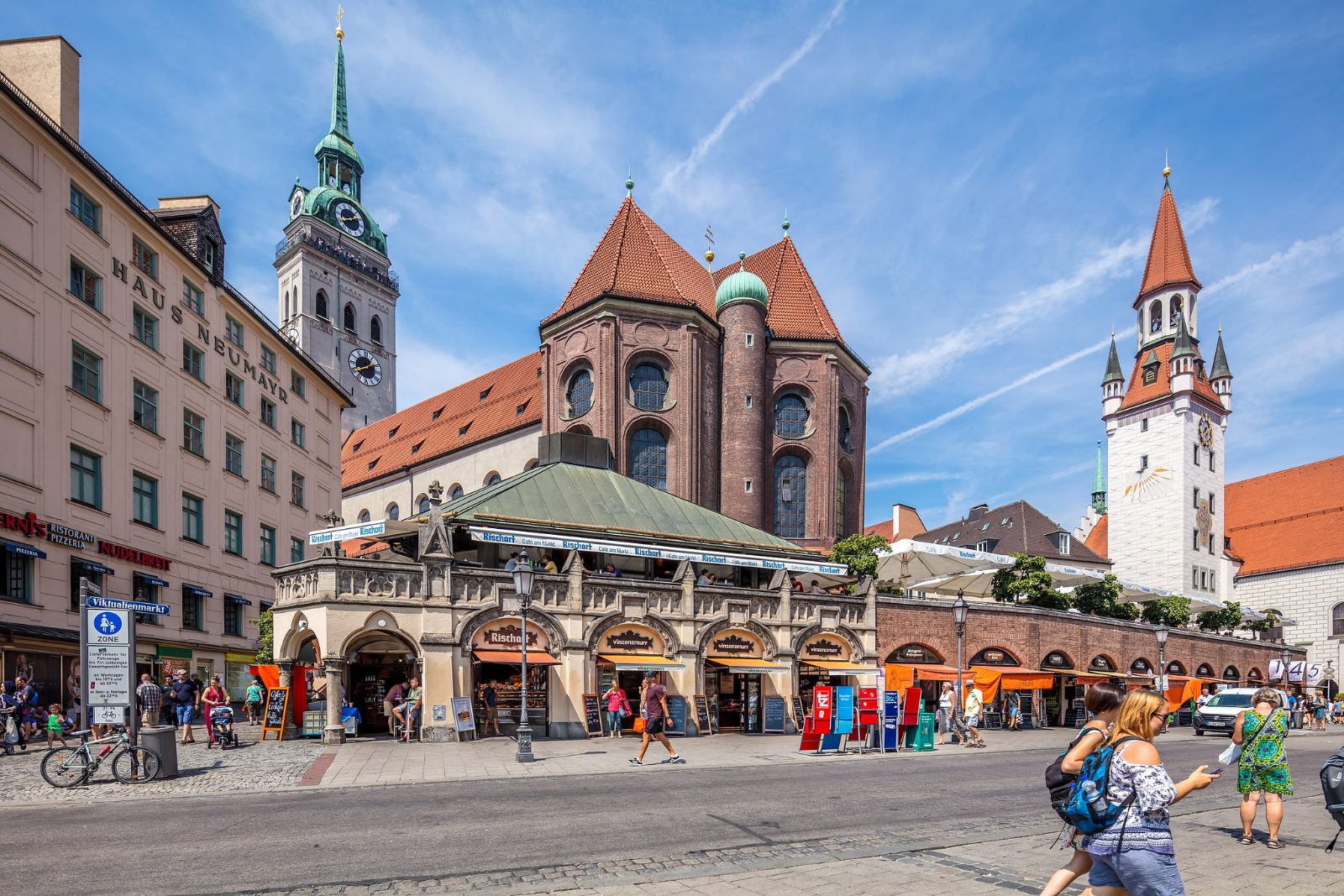
Home to over 100 stalls selling local meats and cheeses. This market has been active in the heart of the city since 1807.
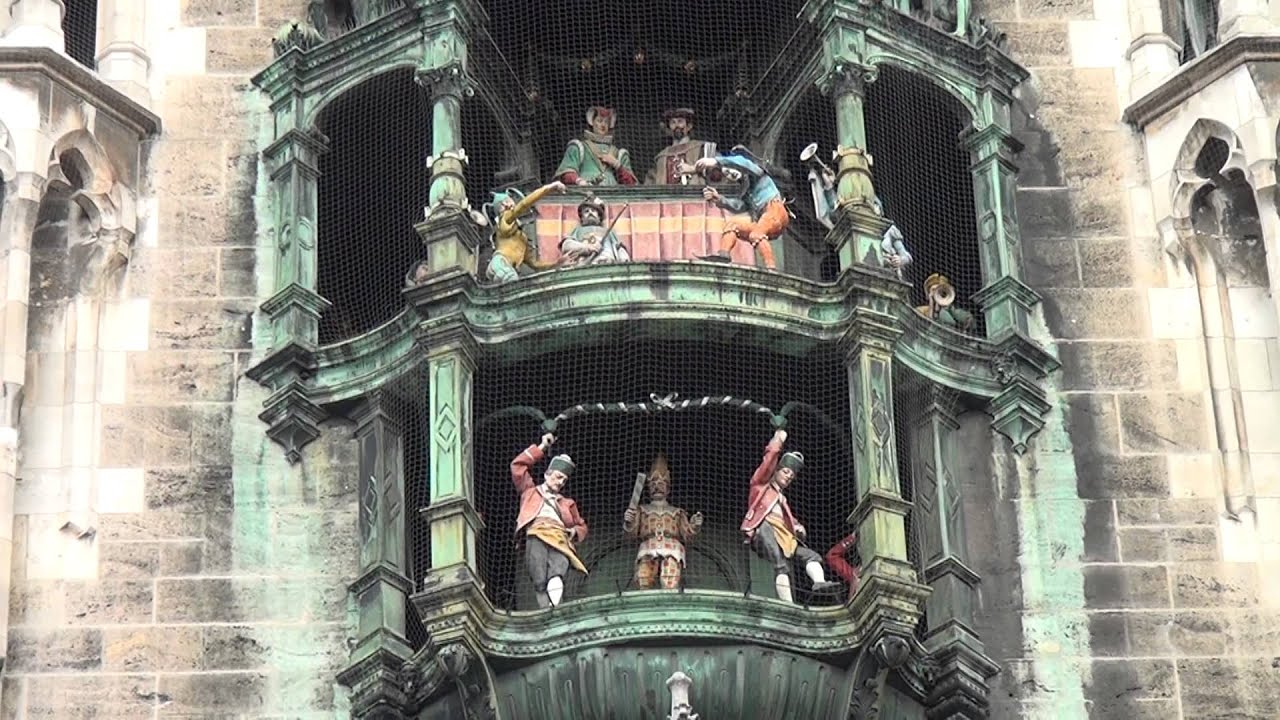
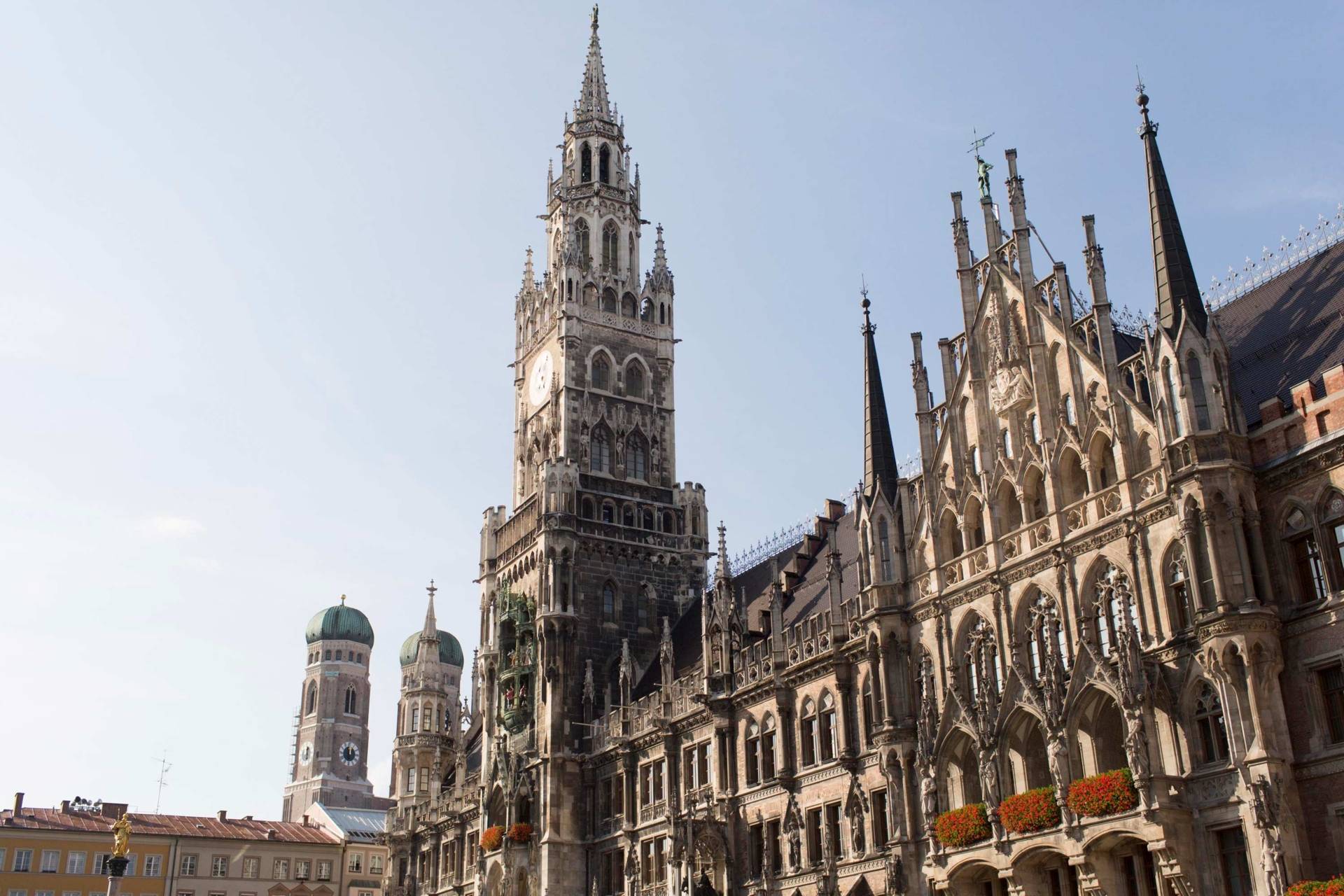
This mechanical clock features life-sized figures that tell historical stories. It performs daily at 11:00 and 12:00.
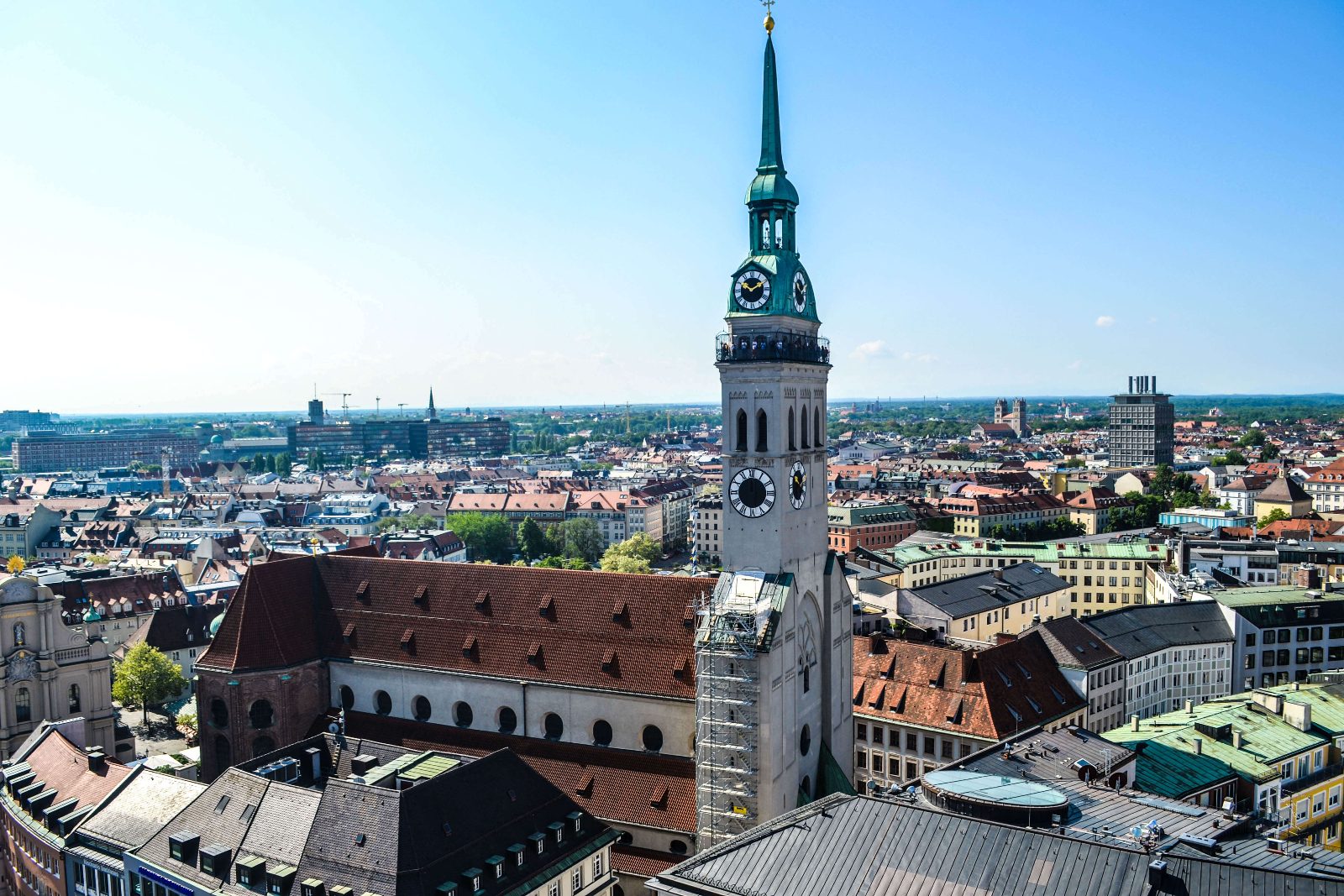
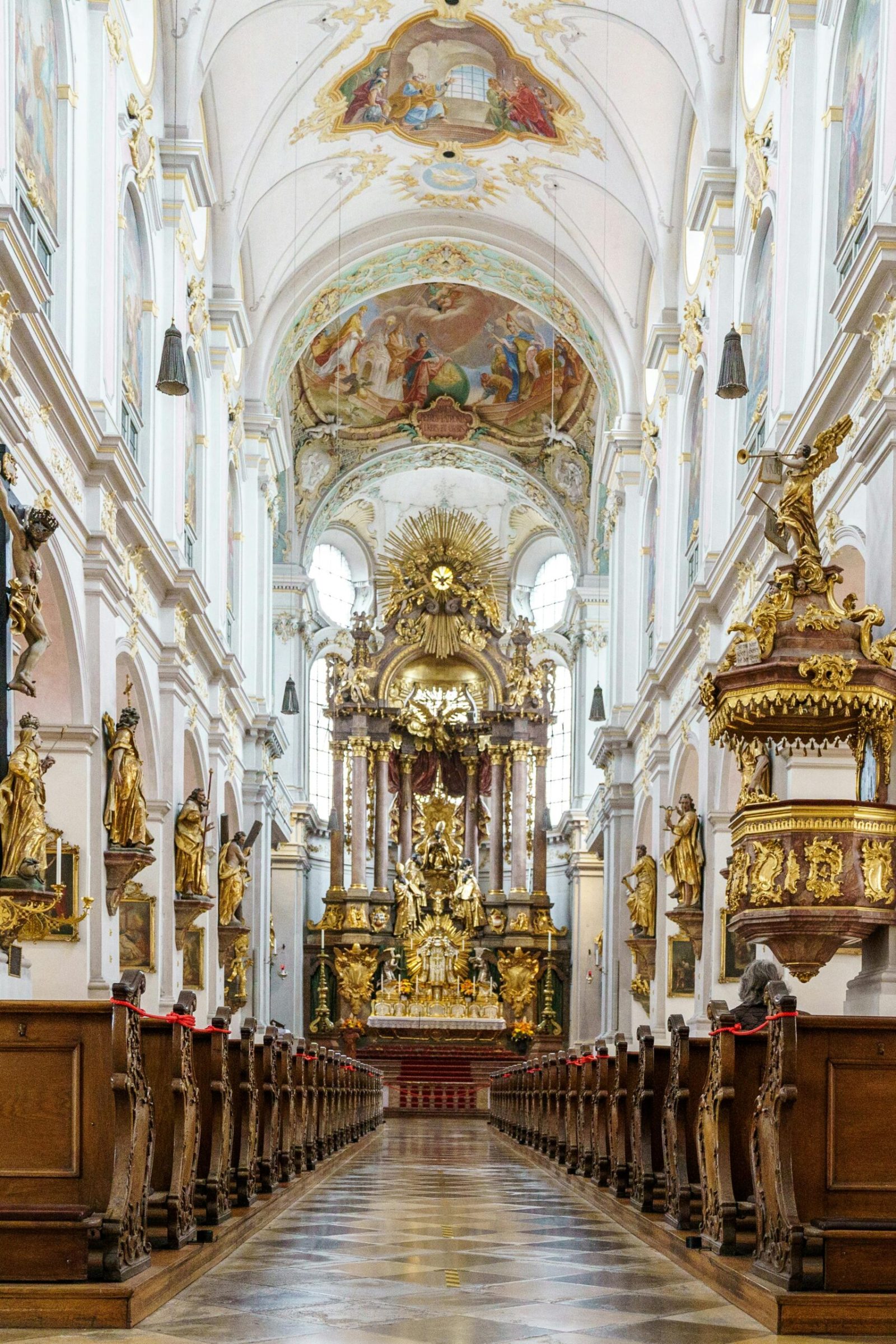
Known as Alter Peter, it offers a high vantage point of the city center. Visitors can climb 306 steps for views.
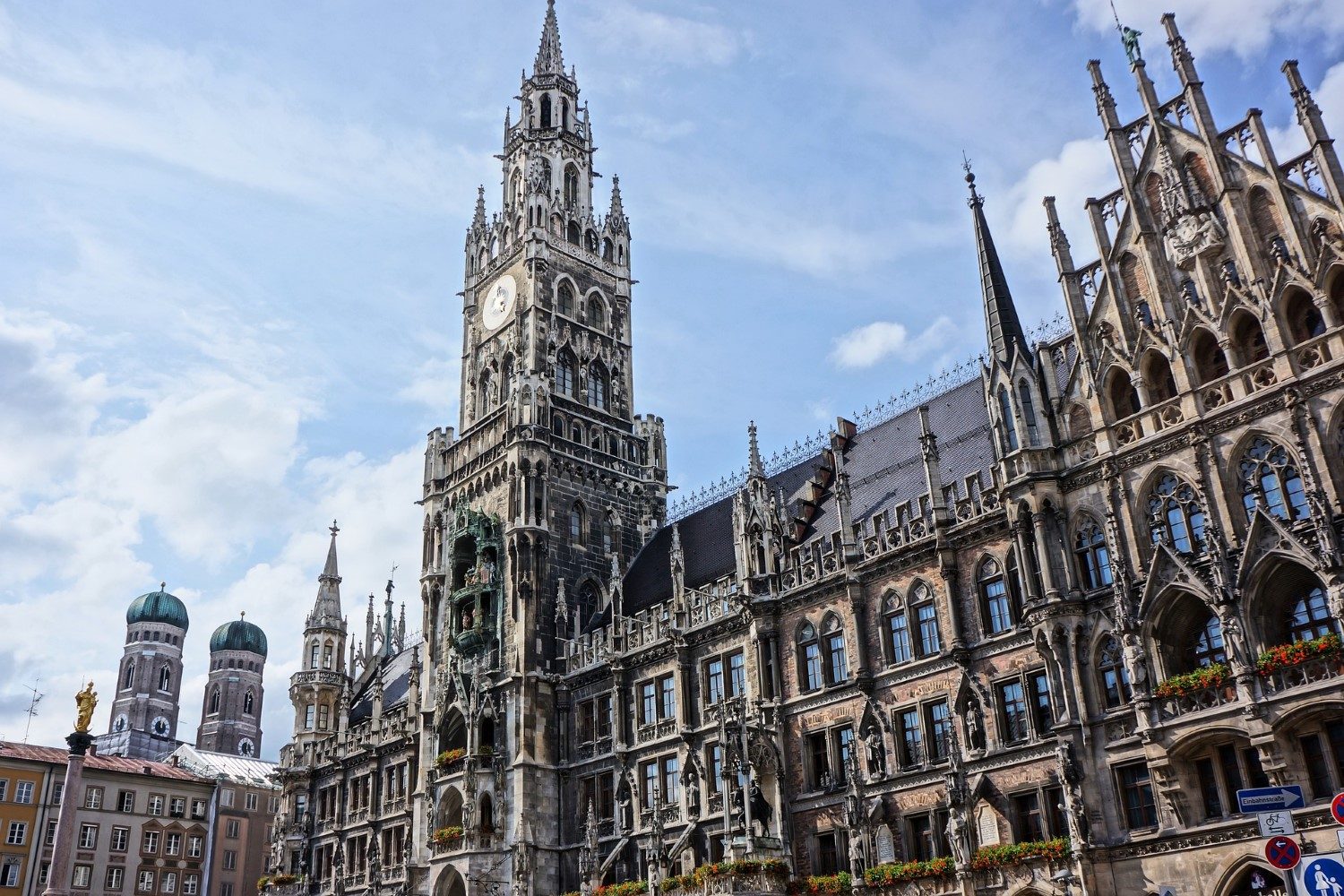
The building took over 40 years to construct and is a masterpiece of Gothic Revival architecture.
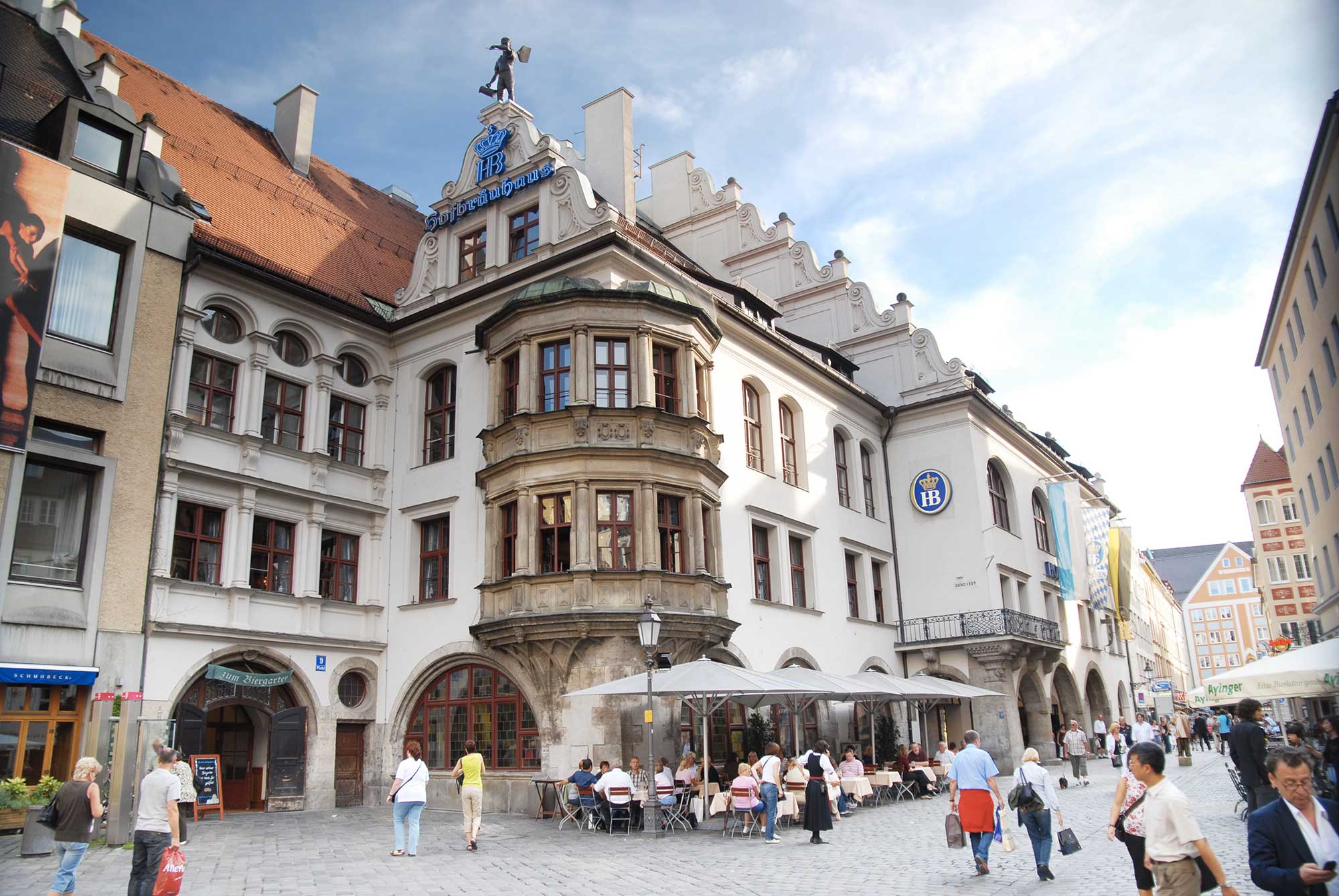
Nearby historic beer hall district that shaped much of the local culinary culture.
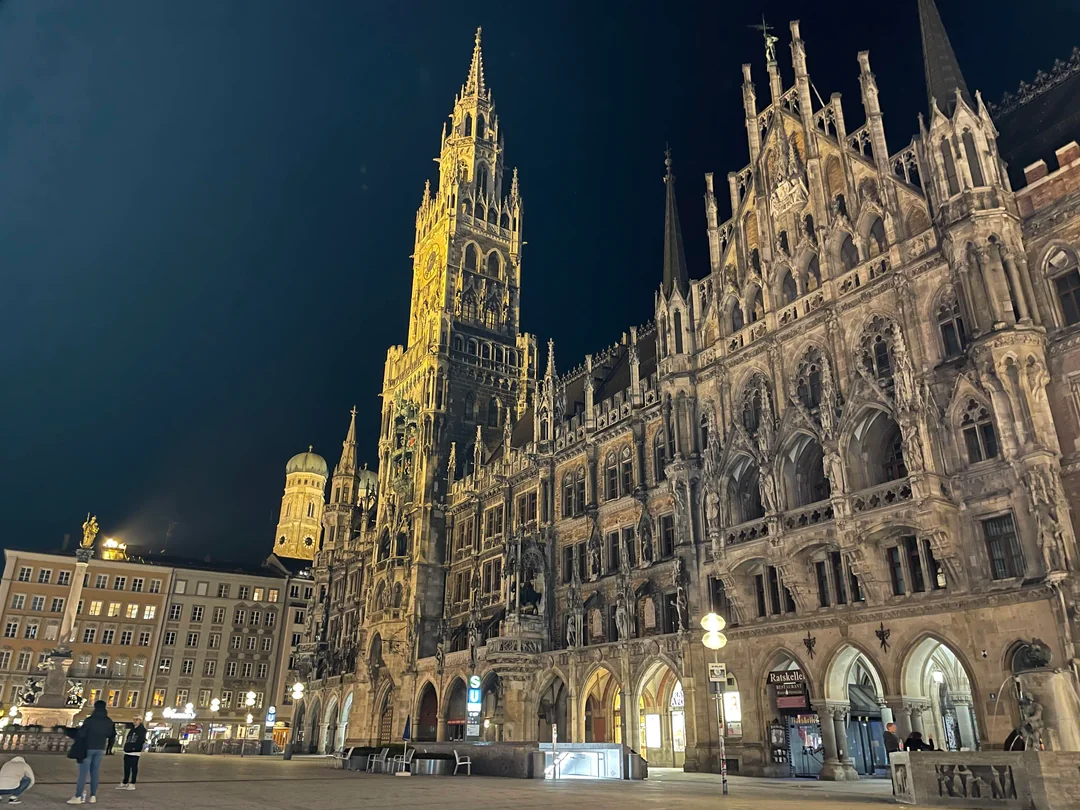
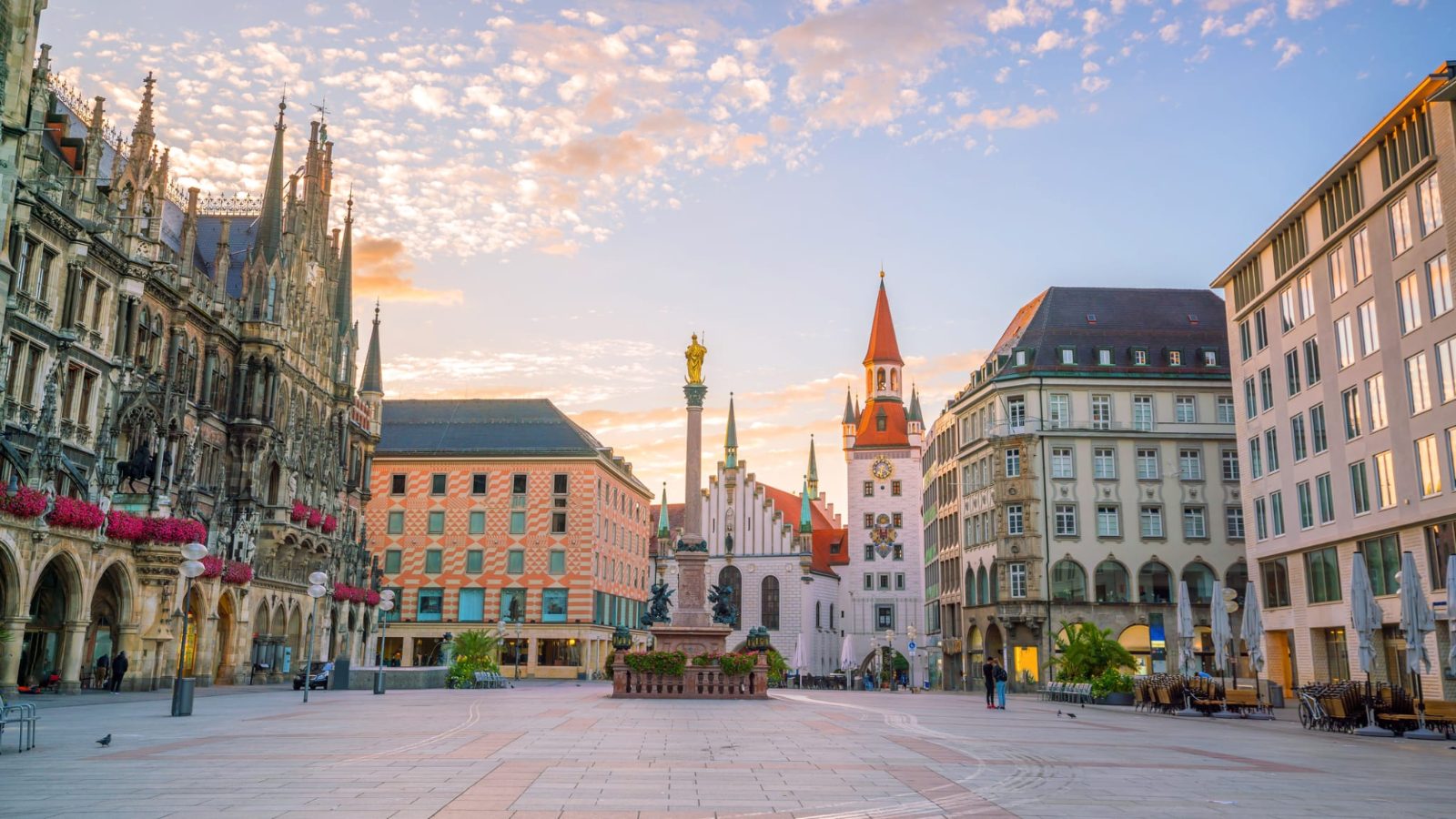
You step into Marienplatz at half-past nine, when morning light angles across Neues Rathaus's neo-gothic facade and market vendors finish arranging their displays.
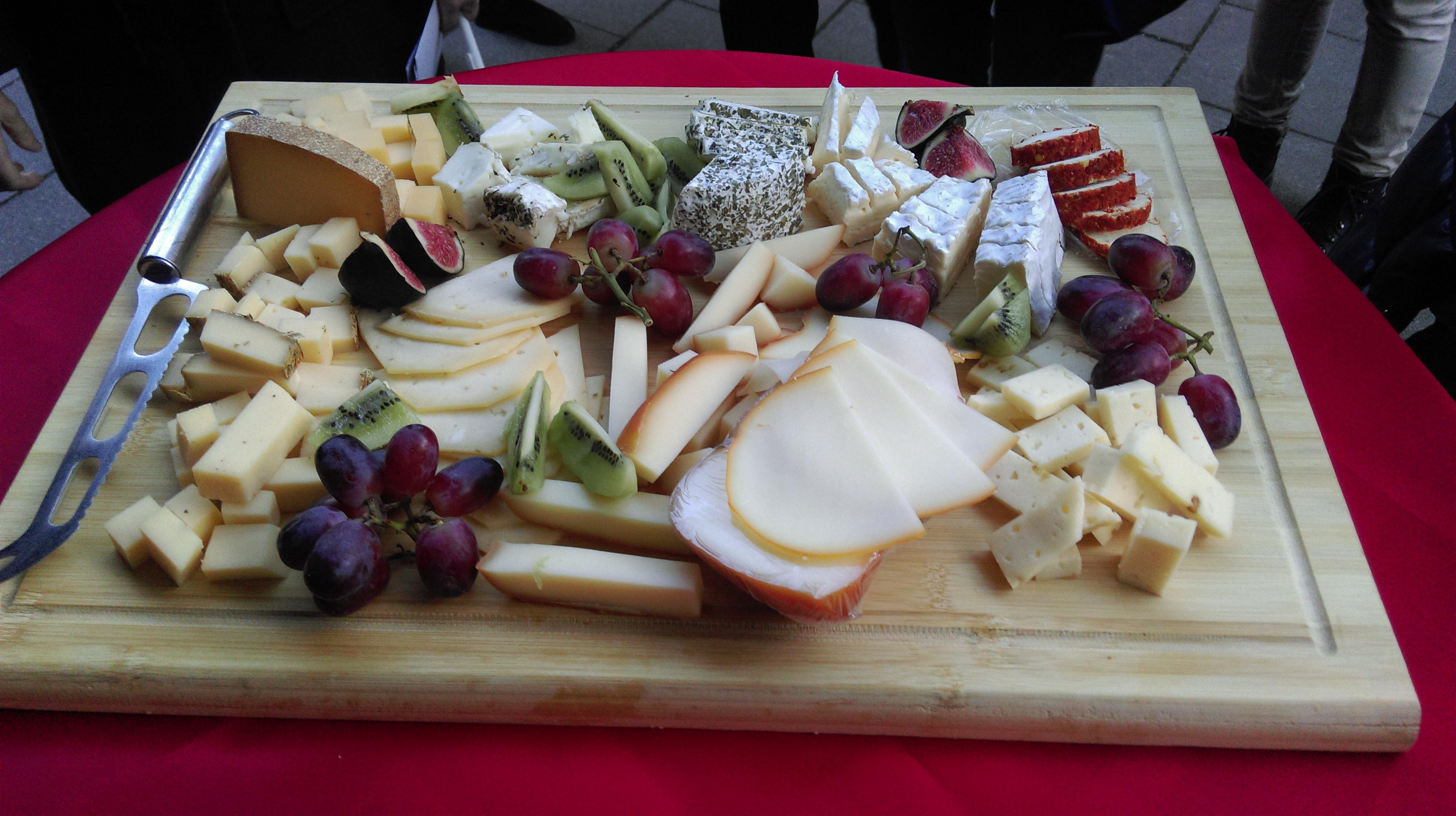
Your guide leads you past the Fischbrunnen fountain toward Viktualienmarkt's northern entrance, where the first stop introduces you to a cheese monger whose family has operated the same stall since 1952. You taste three alpine varieties—a nutty Bergkäse aged fourteen months, a creamy Obazda blended with butter and paprika, a pungent Limburger that requires outdoor aging racks—while the vendor explains milk sourcing from specific Allgäu herds.
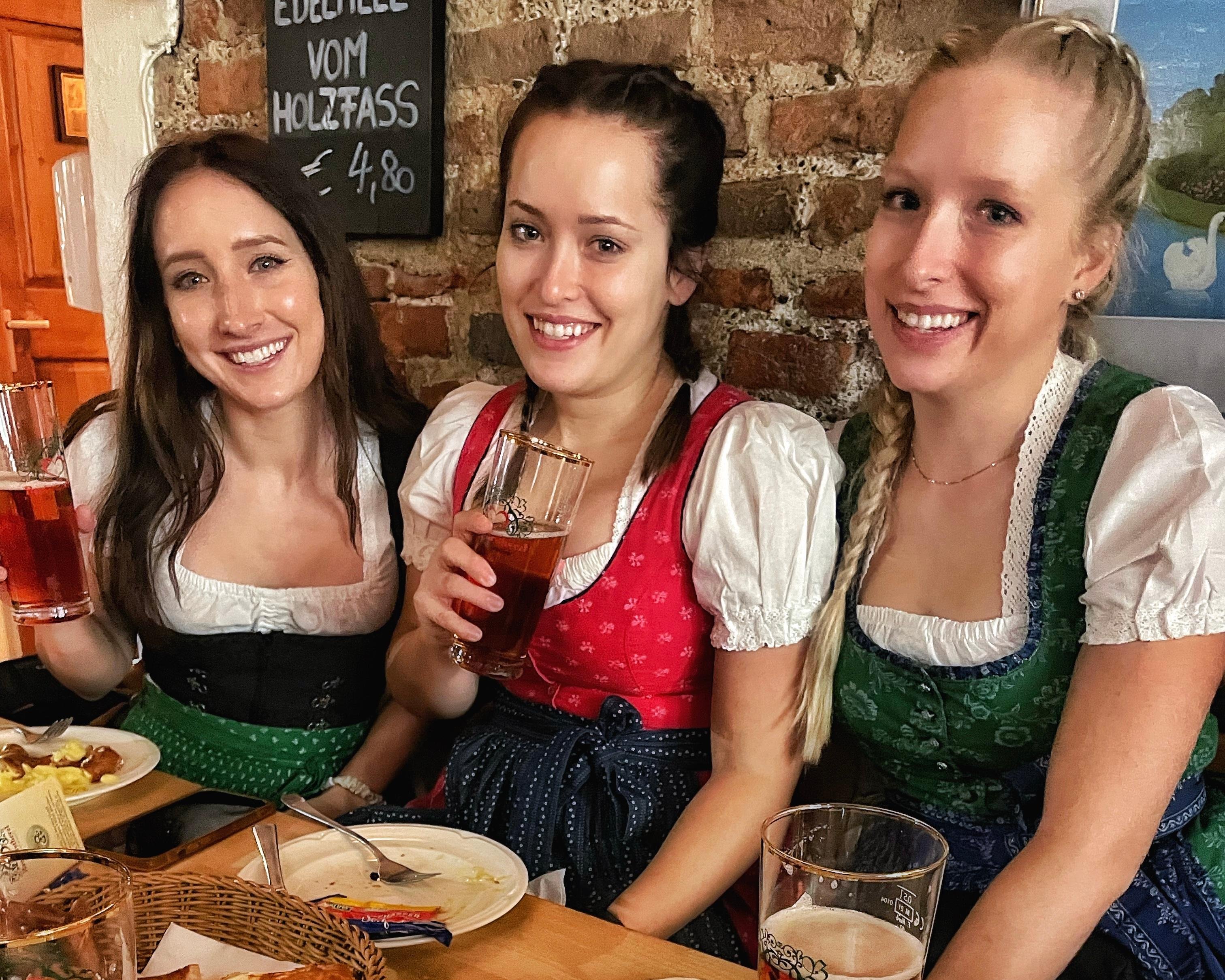
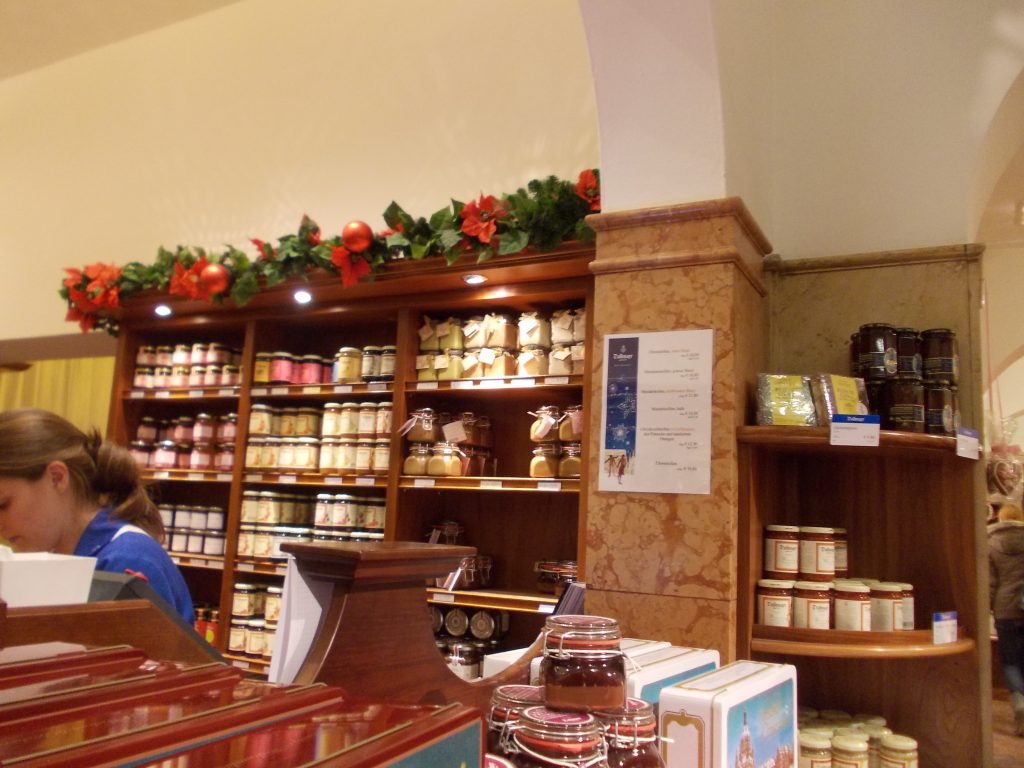
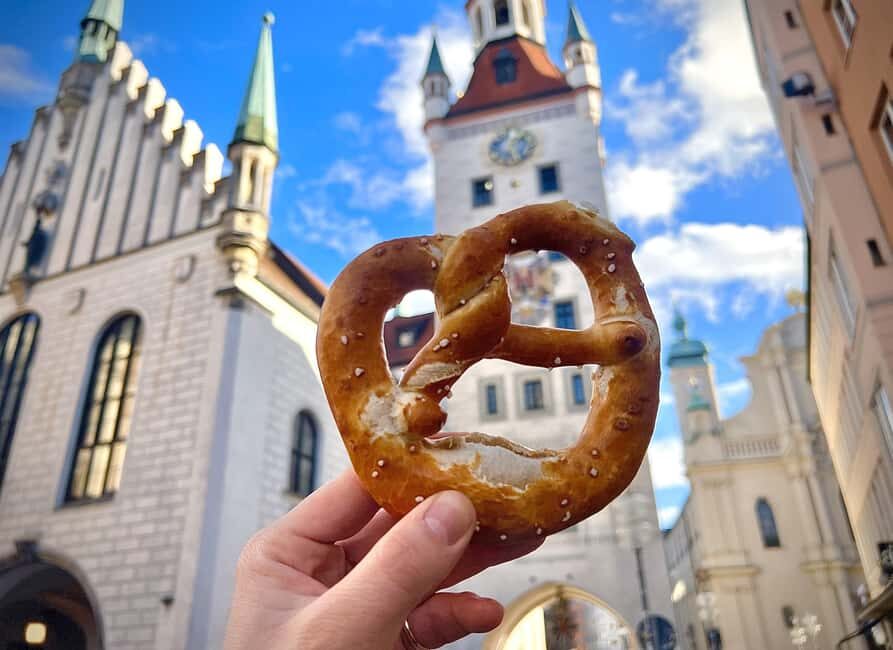
The route continues to a pretzel baker who shapes dough by hand at a marble counter, demonstrating the twisting technique that creates the signature knot. You receive a warm pretzel dusted with coarse salt, its crust cracking to reveal a soft interior, paired with sweet mustard from a condiment specialist three stalls away. At the Schrannenhalle's charcuterie counter, you sample venison salami cured with juniper berries and a slice of Leberkäse—Munich's beloved meatloaf baked in rectangular pans since the 1700s. Your guide times the walk to reach a brewery taproom by eleven, where you sit in a wood-paneled Stube to taste Weisswurst served in a porcelain tureen, accompanied by a half-liter of Helles lager drawn from copper taps. The final stop brings you to a Lebkuchen shop near Sendlinger Tor, where you taste three gingerbread variations—one glazed with dark chocolate, another studded with candied orange peel, a third left plain to showcase the spice blend's complexity.
All the details about your upcoming adventure in one place
Munich's Altstadt preserves nearly nine centuries of market commerce within a six-hundred-meter radius of Marienplatz, where Viktualienmarkt has anchored the city's food trade since 1807.
The open-air market replaced a smaller medieval predecessor when civic planners recognized that Munich's swelling nineteenth-century population demanded expanded vendor space and permanent stall infrastructure. Today's six-acre layout hosts 140 specialist vendors—cheese mongers whose aging cellars descend three meters below cobblestone, game butchers who cure venison according to guild recipes documented in 1487, and bread bakers who proof dough in wood-fired ovens installed during the market's postwar reconstruction.
The culinary quarter radiating from the market square reflects Munich's position as a crossroads economy bridging alpine dairy regions and Danube grain routes. Weisswurst appeared here in 1857 when a Marienplatz inn keeper stretched veal casing to salvage breakfast service, inadvertently creating the city's signature sausage. Lebkuchen stalls trace their gingerbread formulas to Franciscan monastery kitchens active in the 1300s, while pretzel shaping techniques arrived via Swabian guild masters who settled near Sendlinger Tor in the fifteenth century. The brewing tradition encoded in Munich's 1487 Reinheitsgebot purity law governs beer production across two dozen Altstadt taverns, many occupying vaulted cellars that predate surface street construction.
An old town food tour Munich experience navigates this layered heritage through targeted vendor encounters and architectural waypoints. Routes typically begin at Marienplatz's Fischbrunnen fountain, installed in 1864 to supply fishmongers with running water, then proceed through Heiliggeistkirche's gothic arcade where spice merchants operated under church protection for four centuries. The Schrannenhalle, a glass-roofed grain hall from 1853, now shelters artisan cheese counters and charcuterie specialists whose product knowledge reflects apprenticeships spanning a decade. Guides coordinate tasting sequences to illustrate ingredient provenance—alpine butter from Allgäu dairies 110 kilometers south, smoked trout from Starnberger See's lakeshore smokehouses, rye bread milled in Freising's mills that supplied Munich bakeries since 1160.
Modern Altstadt food walks operate within strict heritage preservation boundaries established after wartime reconstruction. Vendor permits require adherence to traditional preparation methods, and the city council reviews ingredient sourcing annually to maintain the market's artisan profile. The quarter's culinary identity persists because Munich codified protections in 1972 that prevent chain infiltration and mandate craft standards, ensuring that each stall represents multi-generational expertise rather than corporate replication.
Viktualienmarkt has anchored Munich's food trade since 1807, hosting 140 specialist vendors whose guild techniques span five centuries.
Casual and comfortable walking shoes are recommended for an old town food tour munich. Dress according to the weather as most stops involve outdoor walking.
Participants should carry small bags only. Large luggage is not permitted on this old town food tour munich as space in historic venues is limited.
Photography is generally encouraged during your old town food tour munich. Please respect the privacy of other guests and local shop owners when taking photos.
Families are welcome to join an old town food tour munich. Keep in mind that routes involve significant walking across cobblestone streets.
Some historic buildings in the old town food tour munich route have limited wheelchair access. Please verify specific tour requirements before booking.
This old town food tour munich includes various tastings at local vendors. Do not bring outside food unless you have specific dietary restrictions confirmed by the operator.
Opening Hours
00:00–23:59
Address
Marienplatz, 80331 Munich, Germany
Accessibility
Varies by vendor
Arrival
09:00–17:00
Storage
Not provided
Navigation
Old Town district
Public transport · N/A · Varies
Use the S-Bahn or U-Bahn to Marienplatz station. Central location is accessible by all major lines.
Walk · N/A · 0 EUR
The old town is best navigated on foot from the city center hotels.
Full refunds are typically available for cancellations made 24 hours prior to the tour start. There is no entrance fee of 0 EUR for the tour experience itself, though individual purchases may vary.
Weather · crowds · average price — dots go green to amber to red as each metric rises.
Mild temperatures make the old town food tour munich very pleasant. Expect fewer crowds in April and May.
Warm weather is ideal for outdoor market tastings. Book in advance due to high peak season traffic.
September and October offer excellent local produce. The city center is vibrant and perfect for Munich culinary tours.
Cold weather brings seasonal market treats. The old town food tour munich provides a unique festive atmosphere.
Drink plenty of water between food tastings. Walking through the city center can be thirsty work.
Munich weather changes quickly so carry a light jacket. It ensures your old town food tour munich remains comfortable.
Many small vendors at the market prefer cash payments for small items. Have local currency ready.
The guides are experts on the local culinary scene. Engage with them to learn more about Munich history.
Popular tours fill up fast during the weekend. Secure your old town food tour munich tickets early.
Munich's organized culinary walking culture traces directly to the relocation of the city's central market in 1807. King Maximilian I Joseph ordered the centuries-old farmers' market moved from Marienplatz to a larger square after a devastating fire. The new Viktualienmarkt opened with 140 vendor stalls selling produce, meat, and cheese. By the 1820s, breweries had established beer gardens adjacent to the market, creating the pairing of Bavarian food and beer that defines old town food tour Munich experiences today. The Hofbräuhaus, founded in 1589 as the ducal brewery, shifted to public service in 1828 and became the template for Munich's beer hall architecture and communal dining customs. The 19th century brought codification of Bavarian recipes. Weisswurst appeared in 1857 when butcher Sepp Moser ran short of sheep casings and improvised with pork filling in the early morning hours. The sausage's strict consumption rule—eaten before noon—emerged from lack of refrigeration. Pretzels, baked in Munich since at least the 14th century, became standardized in shape and salt crystals by guild regulation in the 1870s. The first printed Bavarian cookbook, published in Munich in 1850, recorded regional variations that vendors still reference. Viktualienmarkt survived Allied bombing during World War II with partial damage; reconstruction finished by 1950 preserved the original layout, ensuring continuity of vendor families across generations. Structured old town food tour Munich tours emerged in the 1990s when English-speaking guides began organizing small-group walks linking market stalls, traditional bakeries, and beer halls. The format gained traction after 2005 as food tourism expanded globally. Today's culinary walking routes follow the historical merchant paths radiating from Marienplatz, incorporating stops at family-run establishments operating since the 19th century. The Viktualienmarkt remains the anchor, with 140 permanent stalls maintaining the 1807 vendor count, while surrounding streets offer Bavarian specialties prepared using recipes documented over two centuries.
King Maximilian I Joseph relocates Munich's central market to create Viktualienmarkt with 140 vendor stalls.
Hofbräuhaus opens to the public, establishing the beer hall dining model that shapes modern culinary tours.
Butcher Sepp Moser invents Weisswurst sausage in Munich, introducing the before-noon consumption tradition.
Munich baker guilds standardize pretzel shape and salting techniques, creating the recognizable Bavarian form.
Post-war reconstruction of Viktualienmarkt preserves the 1807 layout, maintaining historical vendor locations.
English-language food walking tours launch in Munich's Old Town, linking market stalls with traditional beer halls.
Culinary tourism expansion drives growth of structured old town food tour Munich tickets across heritage routes.
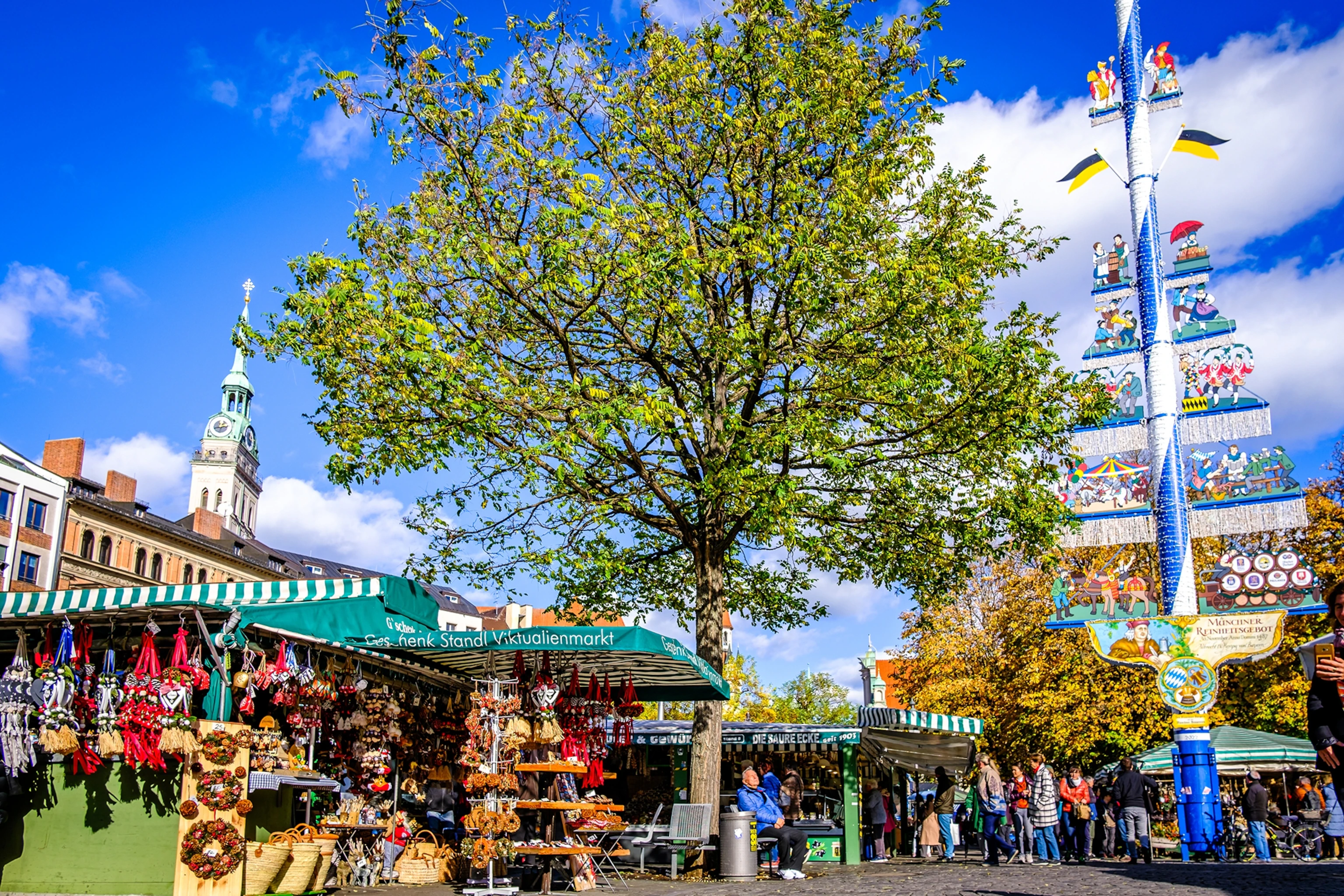
Wide shot of the carved and painted Maibaum surrounded by market stalls, best framed from the steps near the fountain statues on the market's south side. Vendors and awnings fill the background during trading hours, giving the food market its classic postcard look.
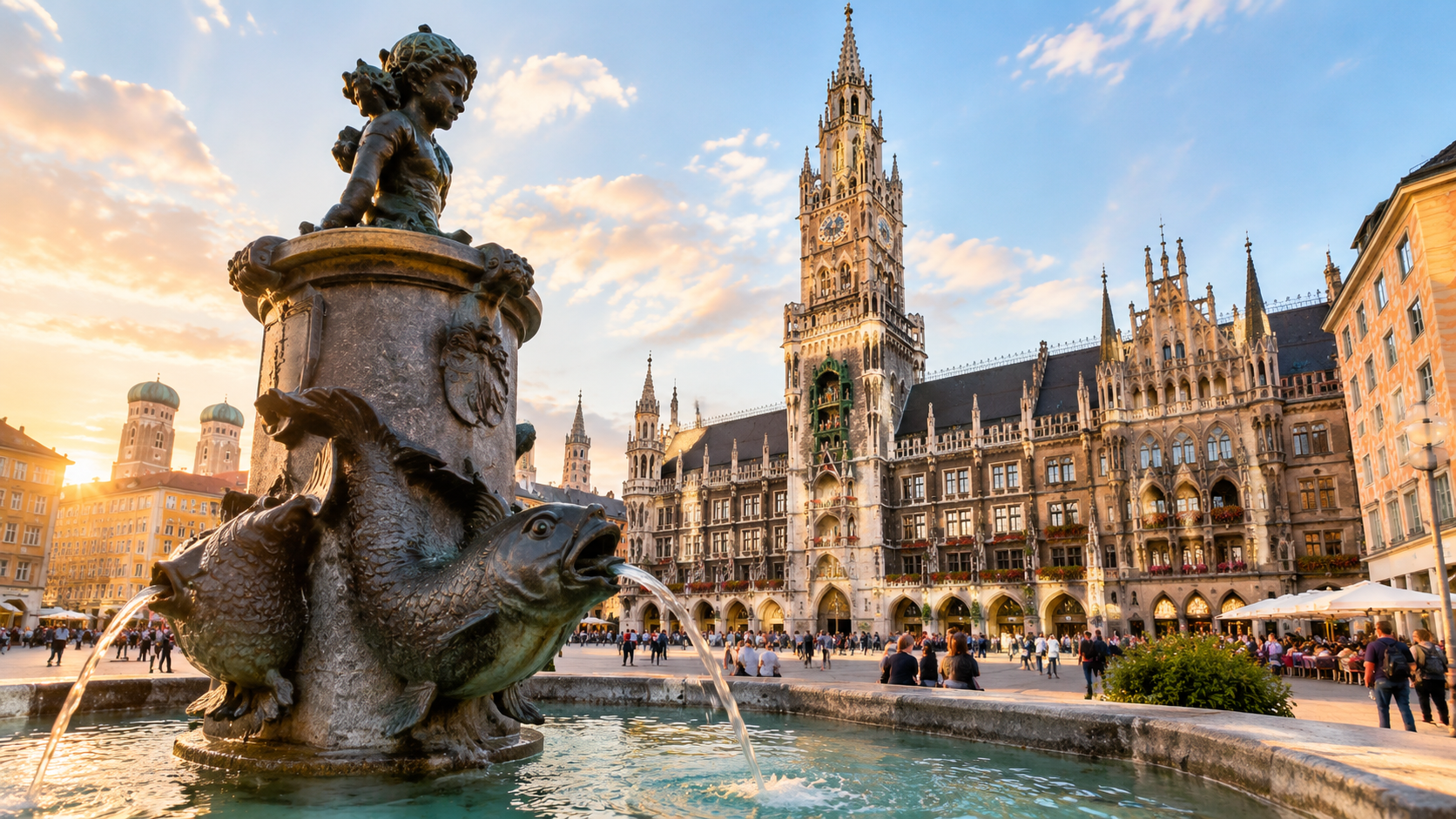
The wrought-iron fish fountain at Marienplatz makes a strong foreground for shots toward the New Town Hall facade, and it doubles as a starting landmark for anyone tracing a self-guided old town food tour munich route through the surrounding lanes. Stand on the east side to catch the Glockenspiel tower behind it.
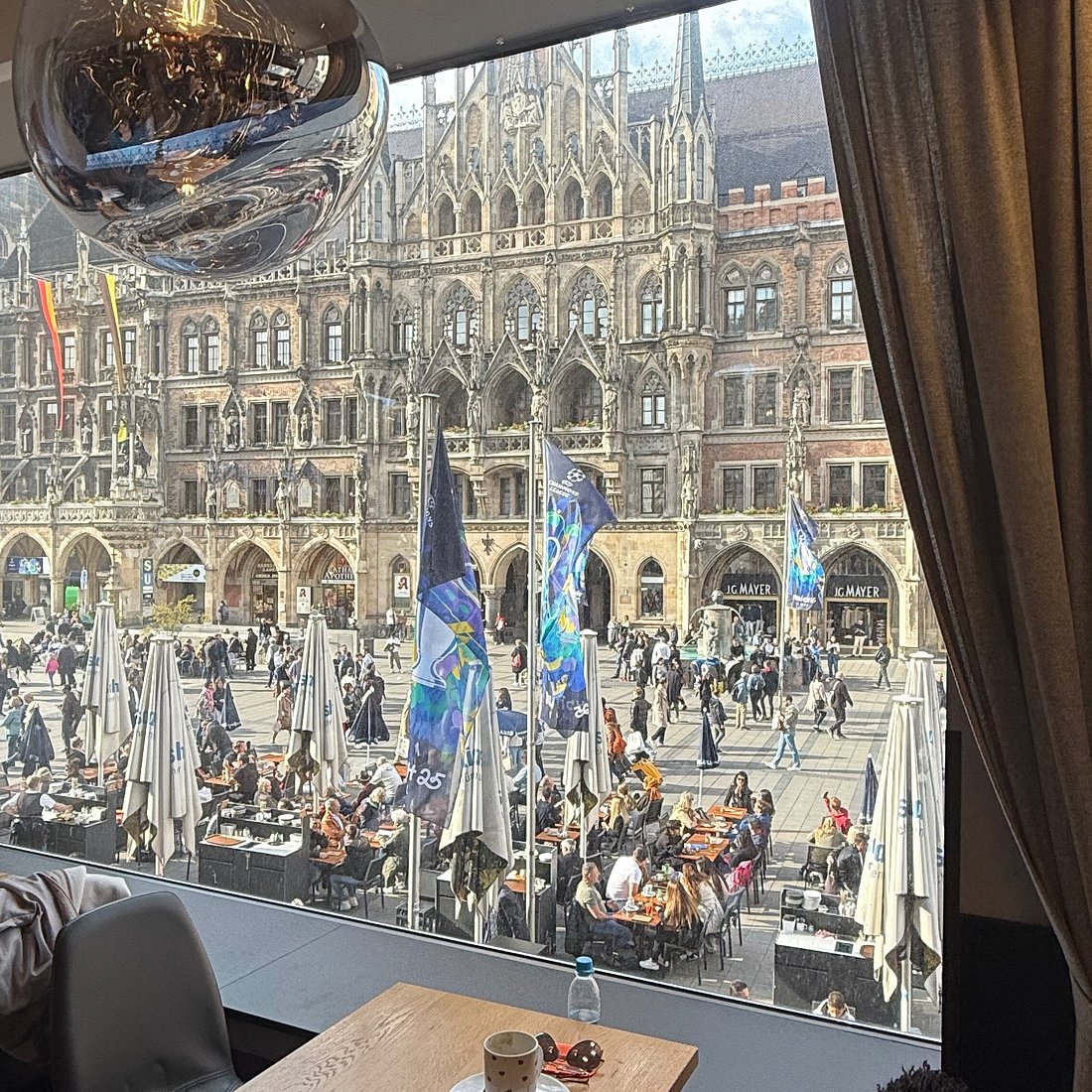
From the upper seating area of this bakery-cafe overlooking Marienplatz, you get an elevated angle over the square and market stalls below, useful for capturing the food scene without joining the ground-level crowds. Window seats are limited and go fast.
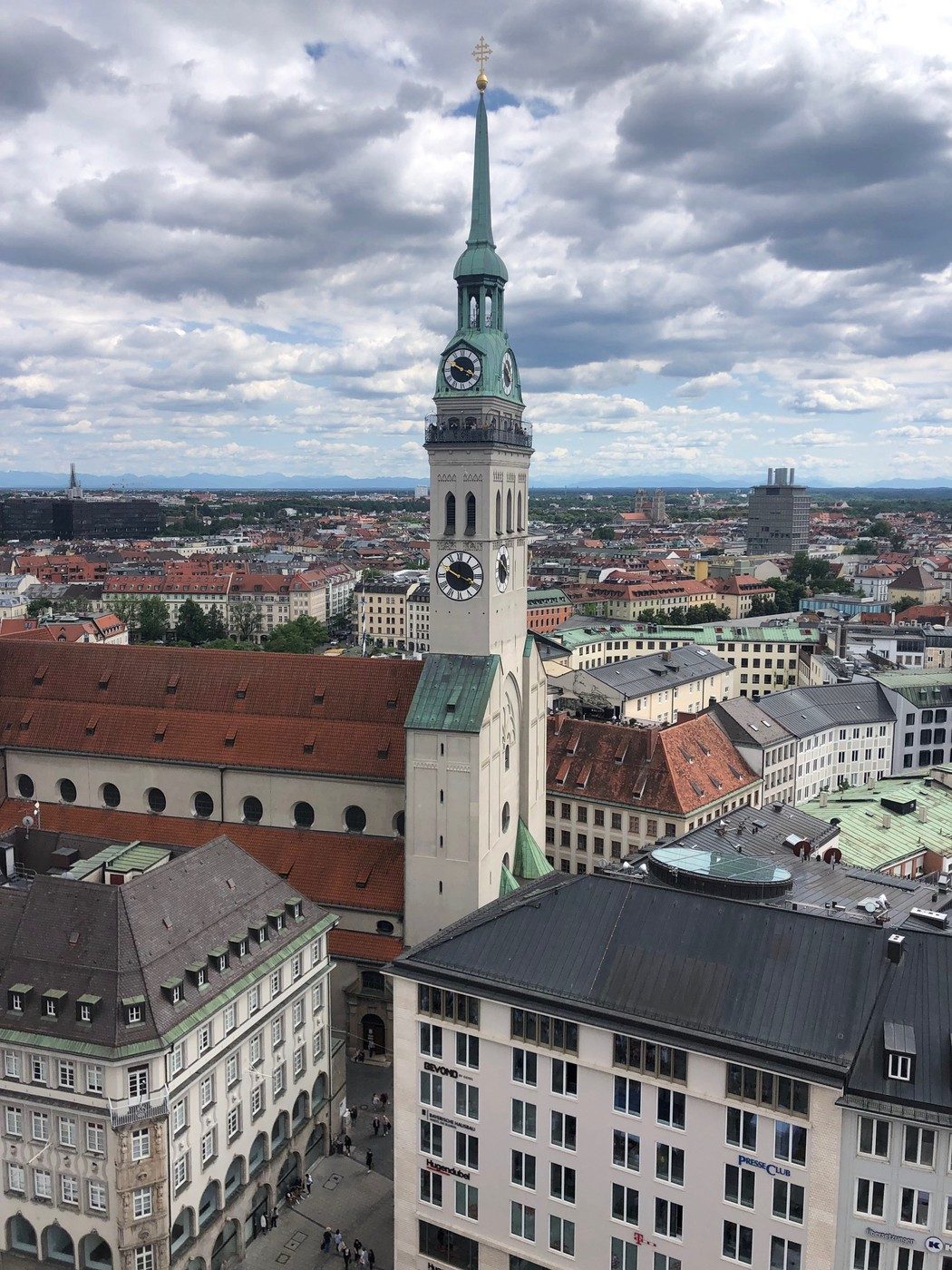
The viewing platform of St. Peter's Church gives a rooftop panorama over the Viktualienmarkt stalls and Old Town rooftops, ideal for a market-from-above composition. Access is via a narrow spiral staircase with an entry fee separate from any food tour.
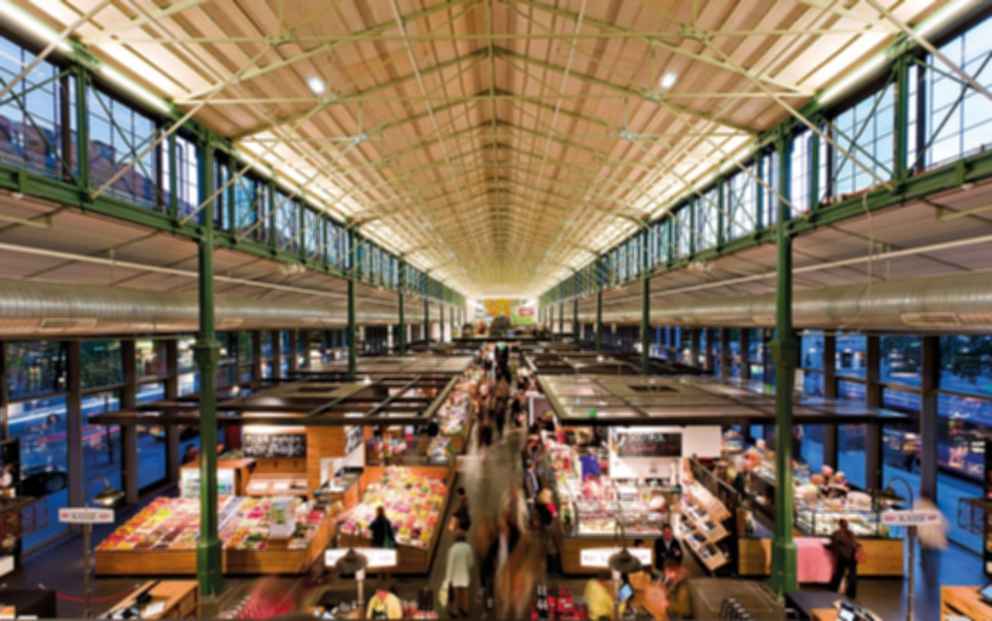
Inside this restored 19th-century market hall near Viktualienmarkt, the long iron-and-glass arcade with food stalls on either side makes a strong symmetrical shot down the central aisle. Shoot from the entrance doors for the full vanishing-point effect.
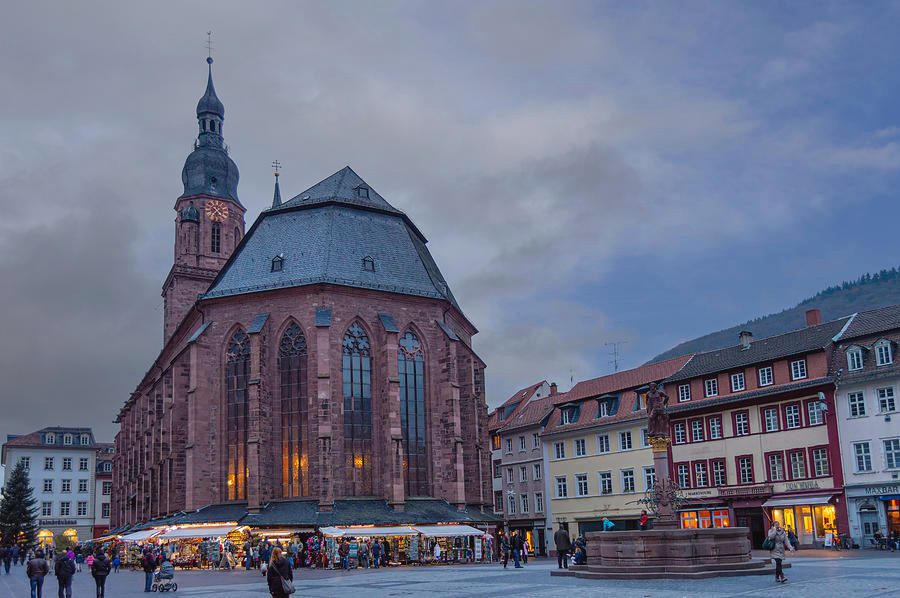
The narrow lane beside the Church of the Holy Spirit frames market produce stands against the church's baroque tower, a favorite angle for street-level food photography in the old town. Stand near the corner where the alley opens onto Viktualienmarkt.
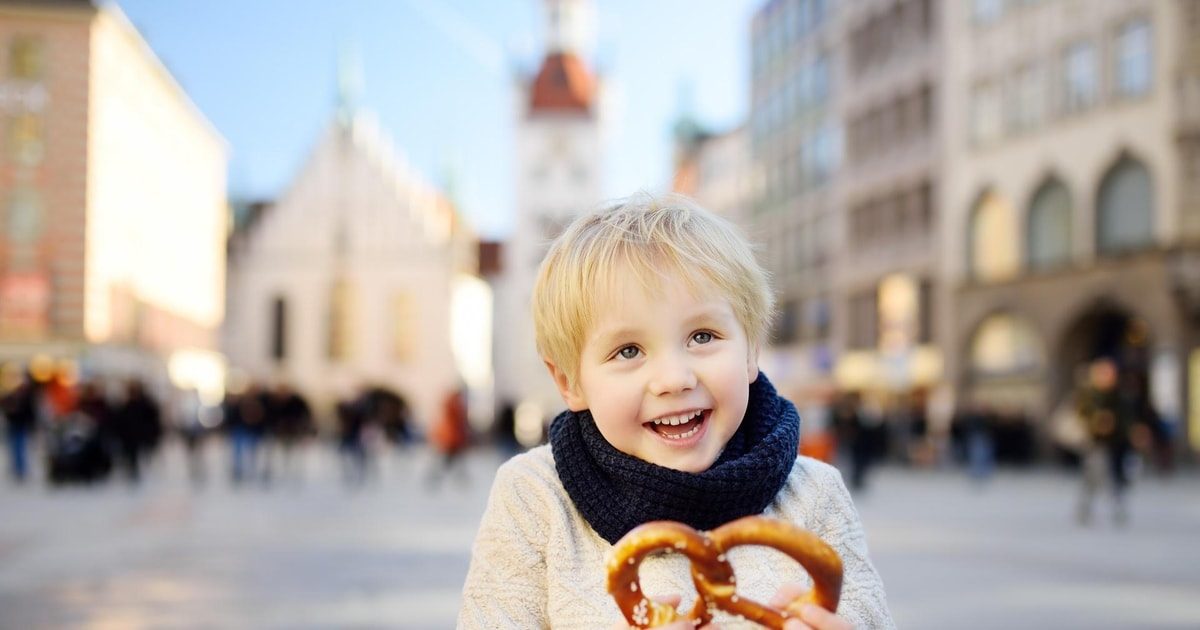
An old town food tour munich outing works well for kids who already eat a varied diet, but the walking-and-tasting rhythm through Marienplatz and the surrounding lanes asks more patience from little ones than a typical museum stop. Expect cobblestones, standing-room tastings, and a pace set by the group rather than your family.
Cobblestones around Marienplatz and the narrow lanes toward the food stalls make stroller pushing bumpy and slow, especially when market crowds thicken between 09:00 and 17:00. A soft carrier works better than a stroller for kids under 3 on this route.
Kids around 8 and up get the most out of tasting new foods and following a 2-3 hour walking pace without melting down. Toddlers and preschoolers usually tire out before the group finishes the route.
A 2-3 hour tour with multiple standing tasting stops is long for young legs, so budget mental energy for at least one lag between stops. Ask the guide in advance if short seated breaks are possible near Marienplatz.
Tastings often include unfamiliar items like pungent cheeses or offal-based specialties, which can be a hard sell for picky eaters. Bring a backup snack so a skipped tasting does not turn into a hungry meltdown mid-walk.
Public restrooms and baby-change tables are not part of the tour stops themselves, so plan bathroom breaks around cafes near Marienplatz before or after. This is a walking tour category rather than a single venue, so there is no dedicated family room to rely on.
Since the tour runs outdoors through Old Town streets and stalls, a downpour means walking anyway with rain gear rather than an indoor alternative. Pack a compact umbrella and waterproof layers for kids since the group will not pause the food tour munich tour for weather.
An old town food tour munich itinerary typically ends near Marienplatz, but Viktualienmarkt's stalls and the surrounding lanes stay open well beyond scheduled stops, so bring an appetite for extra grazing. Bring cash for the market stalls, and expect standing-room-only counters rather than table service at midday.
Dozens of independent vendors sell Bavarian cheese, cured meats and Weisswurst by the piece. Best visited late morning before lunchtime crowds; good for quick grazing between sights.
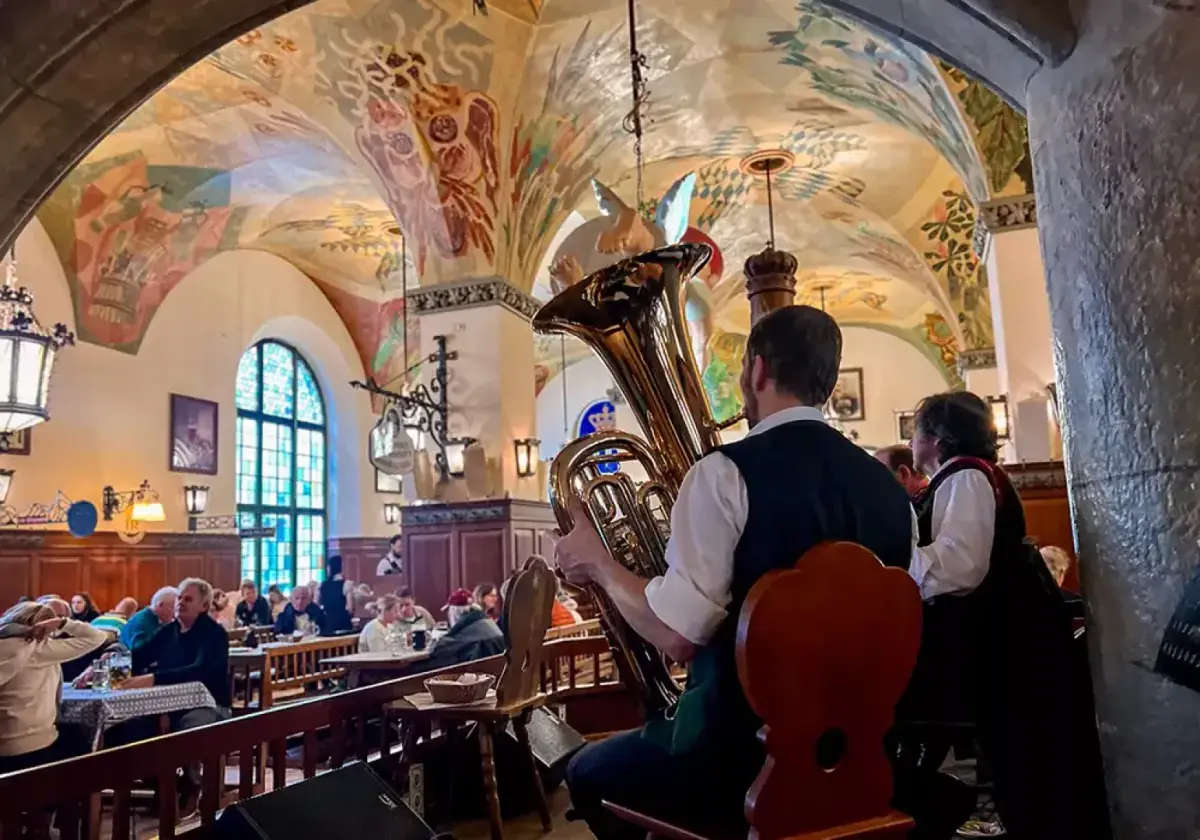
The landmark beer hall near Marienplatz serves roast pork, dumplings and liter steins of house-brewed lager. Packed with tour groups by evening, so an early lunch works better for a calm visit.
Tucked beside the Frauenkirche, this small tavern grills Nürnberger sausages over open flame in view of diners. Seating is limited, so it suits a short sit-down rather than a rushed stop.
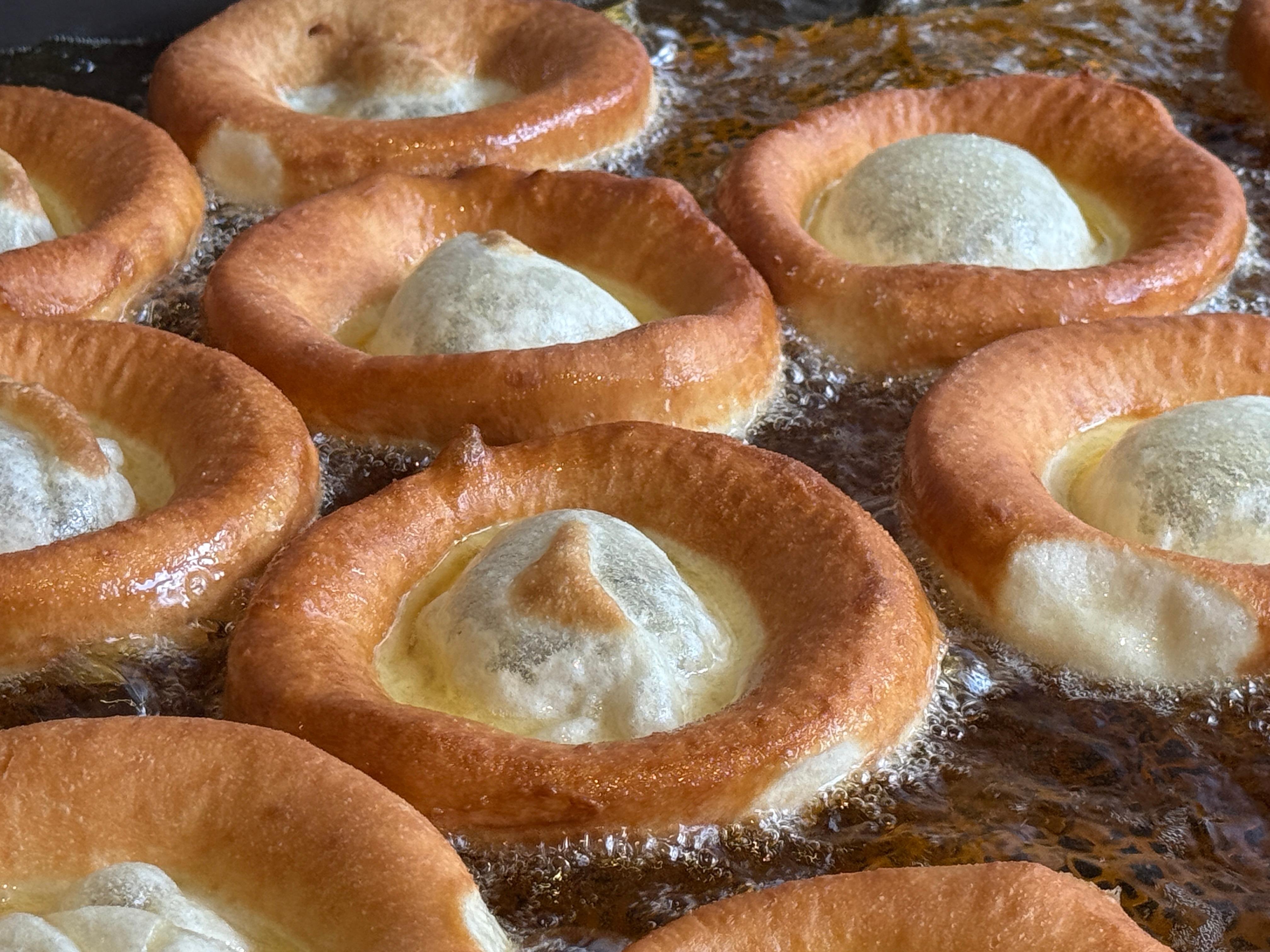
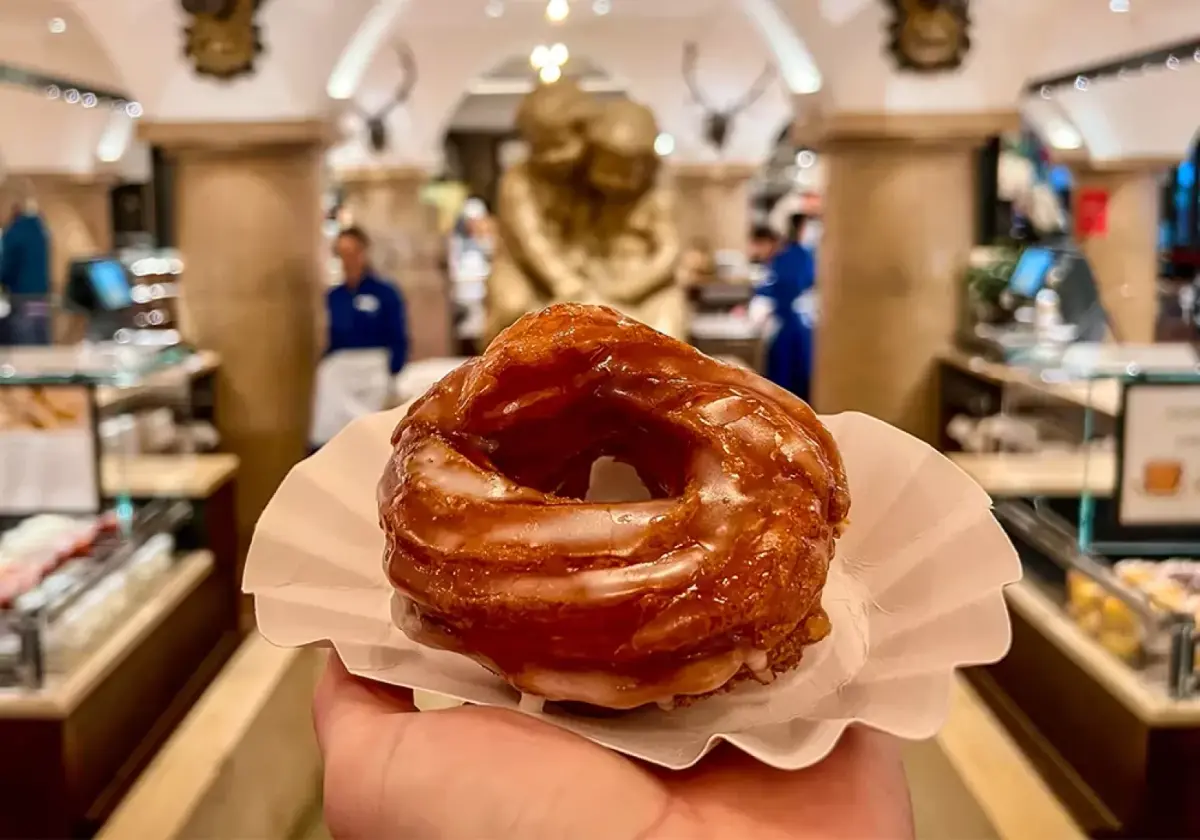
A market-adjacent bakery since the 1800s known for its warm Schmalznudel pastry, dusted with sugar and sold through a walk-up window. Lines form on weekend mornings but move quickly.
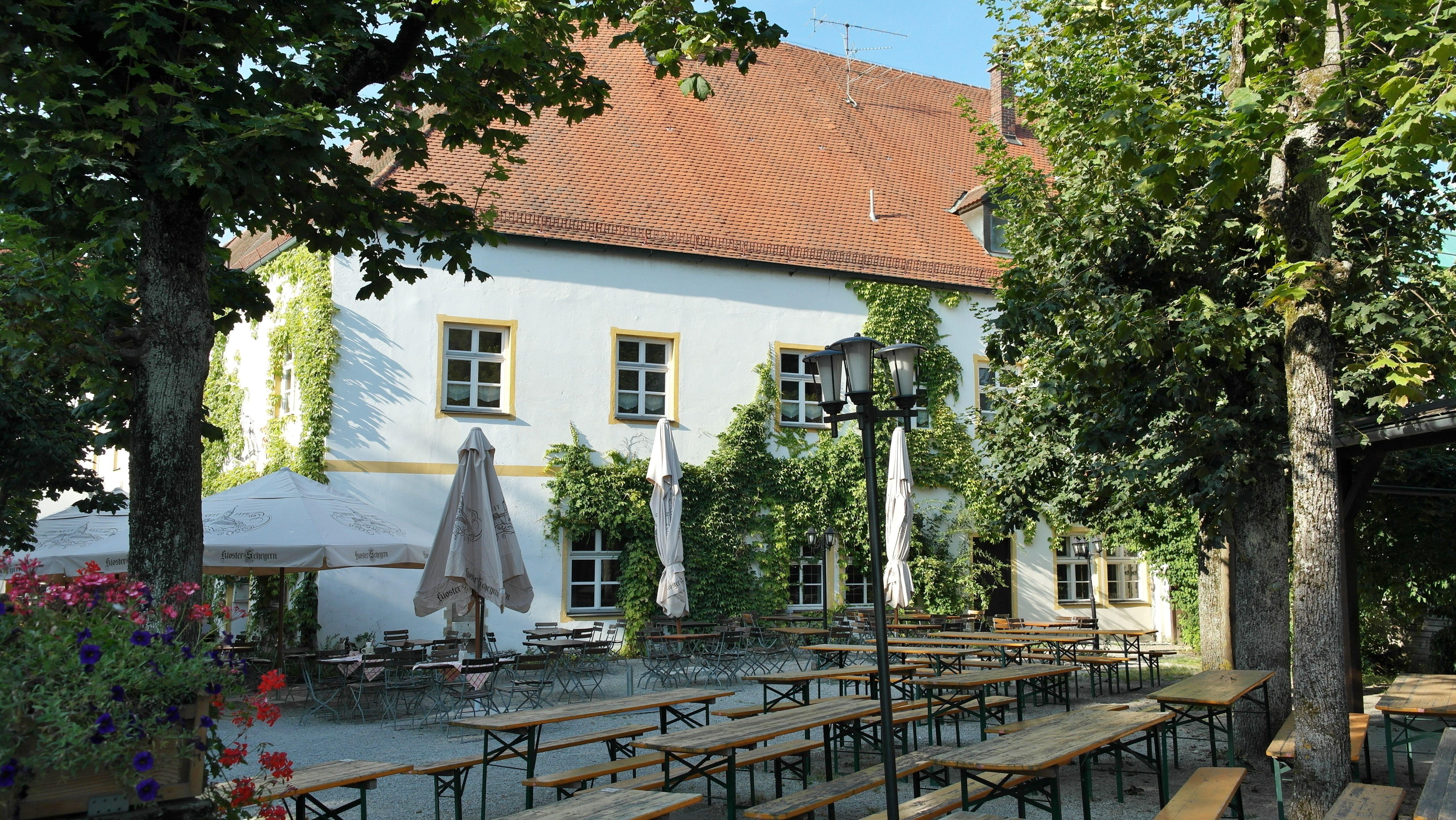
Set on the edge of Viktualienmarkt, this beer garden and restaurant pairs Bavarian classics with market produce. A solid option for a proper sit-down meal after grazing the stalls.
Everything you need to know for your journey
The tour activities align with market hours and general city access, with an optimal arrival window of 09:00–17:00.
Accessibility varies as some historic sites have stairs, so please check specific tour details before booking your old town food tour munich.
Morning is the best time for old town food tour munich tickets, specifically between 09:00–17:00 for optimal market activity.
Please carry small bags only as large items are restricted on an old town food tour munich.
Yes, photography is permitted throughout the old town food tour munich, provided you respect local business operations.
Wear comfortable walking shoes and weather-appropriate clothing for your old town food tour munich.
Yes, your old town food tour munich includes curated tastings at various local culinary stops.
The meeting point is at Marienplatz, 80331 Munich, which is easily reached via U-Bahn and S-Bahn.
Children are welcome to join the old town food tour munich, though walking requirements should be considered.
Cancellations for an old town food tour munich are typically accepted up to 24 hours in advance for a full refund.
A historic outdoor market offering fresh local produce and traditional snacks.
The oldest parish church in Munich featuring a distinct tower view.
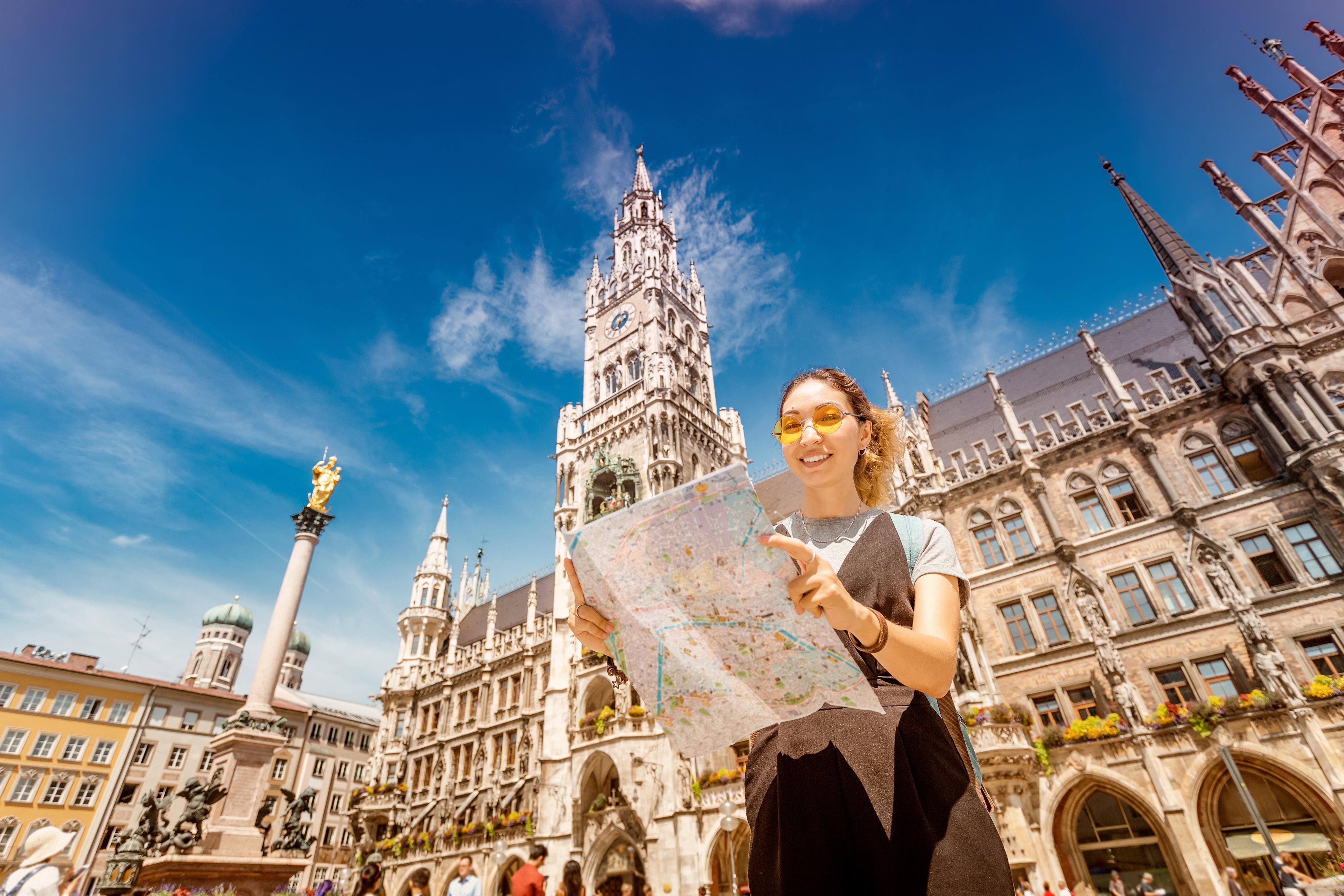
Famous for its ornate Gothic facade and the Glockenspiel performance.
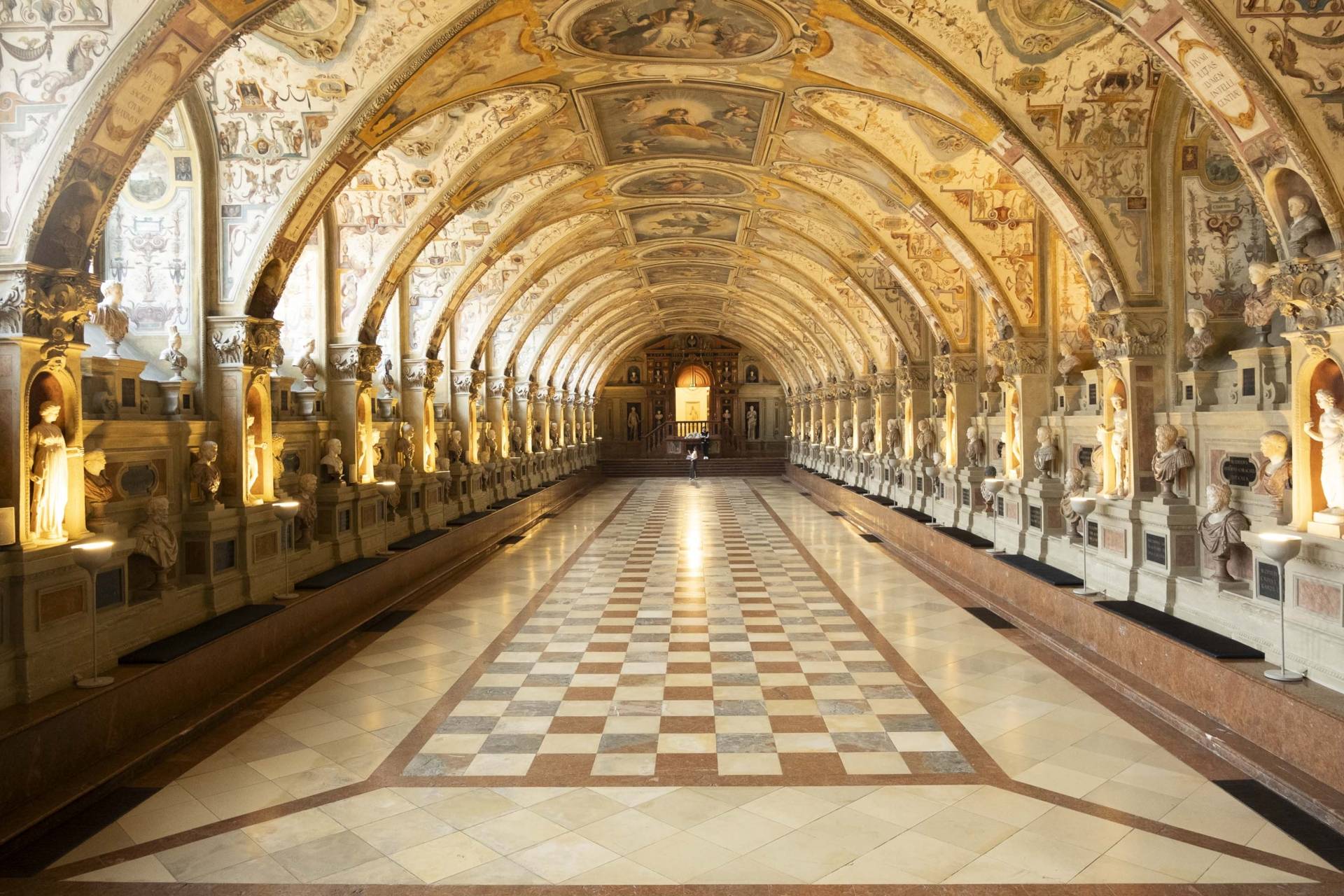
The former royal palace of the Wittelsbach monarchs.
Central location for any old town food tour munich participant.
High-end stays near Marienplatz.
Unique local accommodations within walking distance.
Join thousands of happy travelers who have discovered this incredible experience
Book Your Experience Now